JEAN-CHRISTOPHE ROBERT
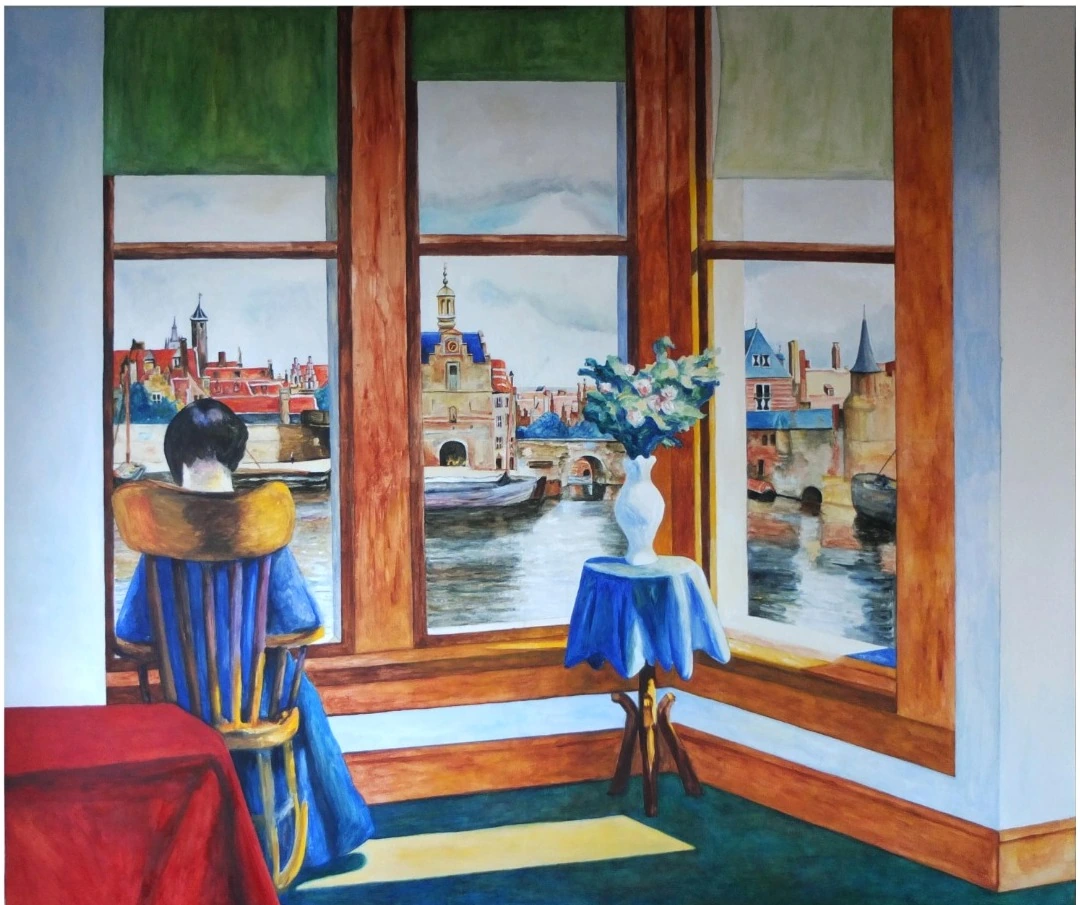
Recent painting bringing an interior figure and a city view into relation

Painting after Deconstruction

ENTER ↓

Mythologies

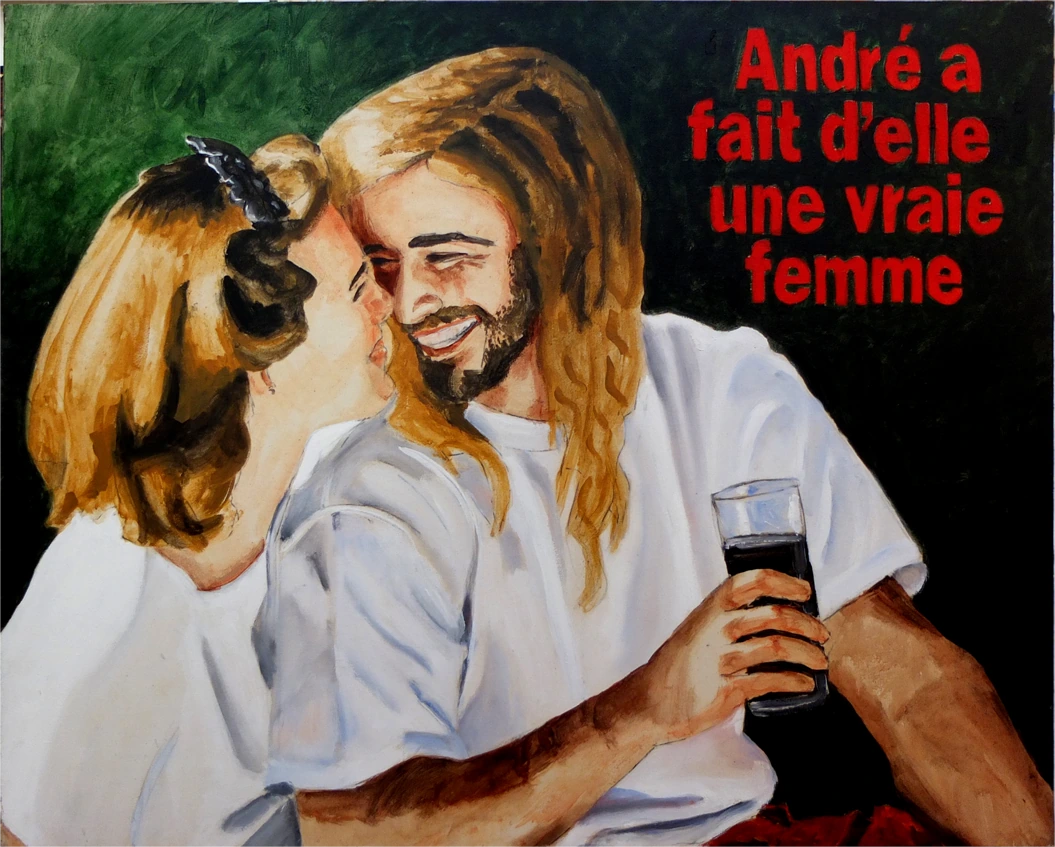
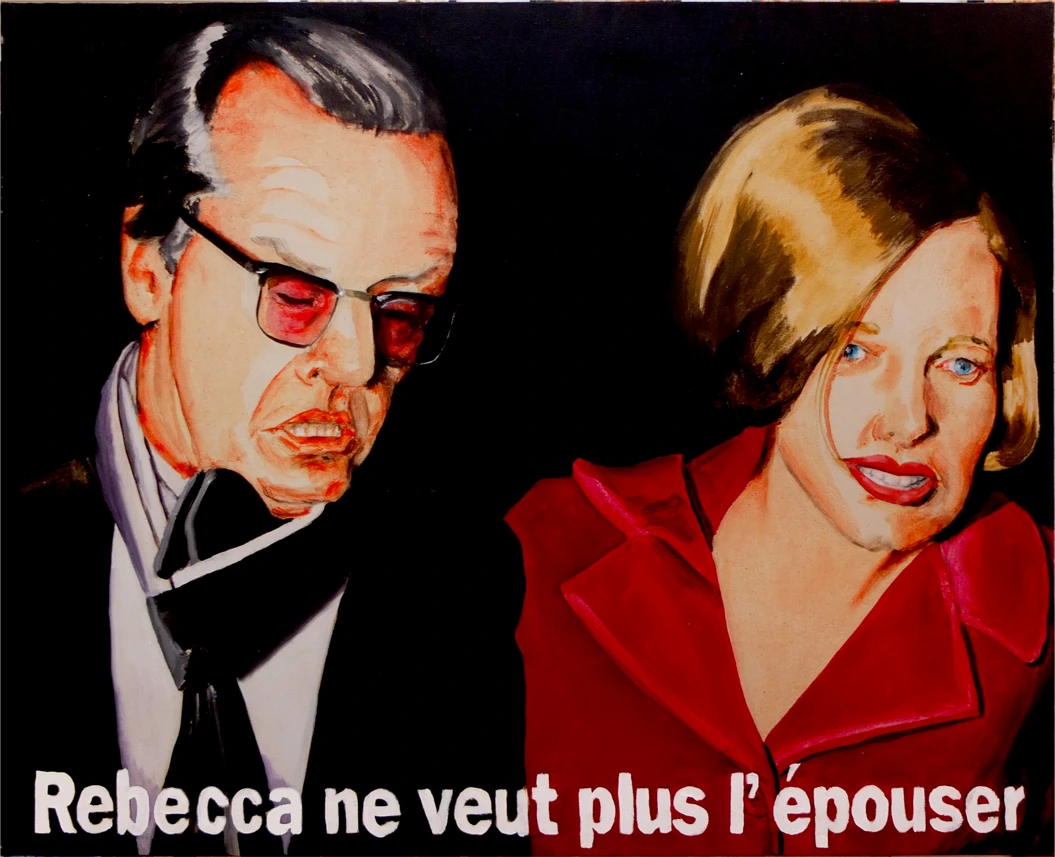
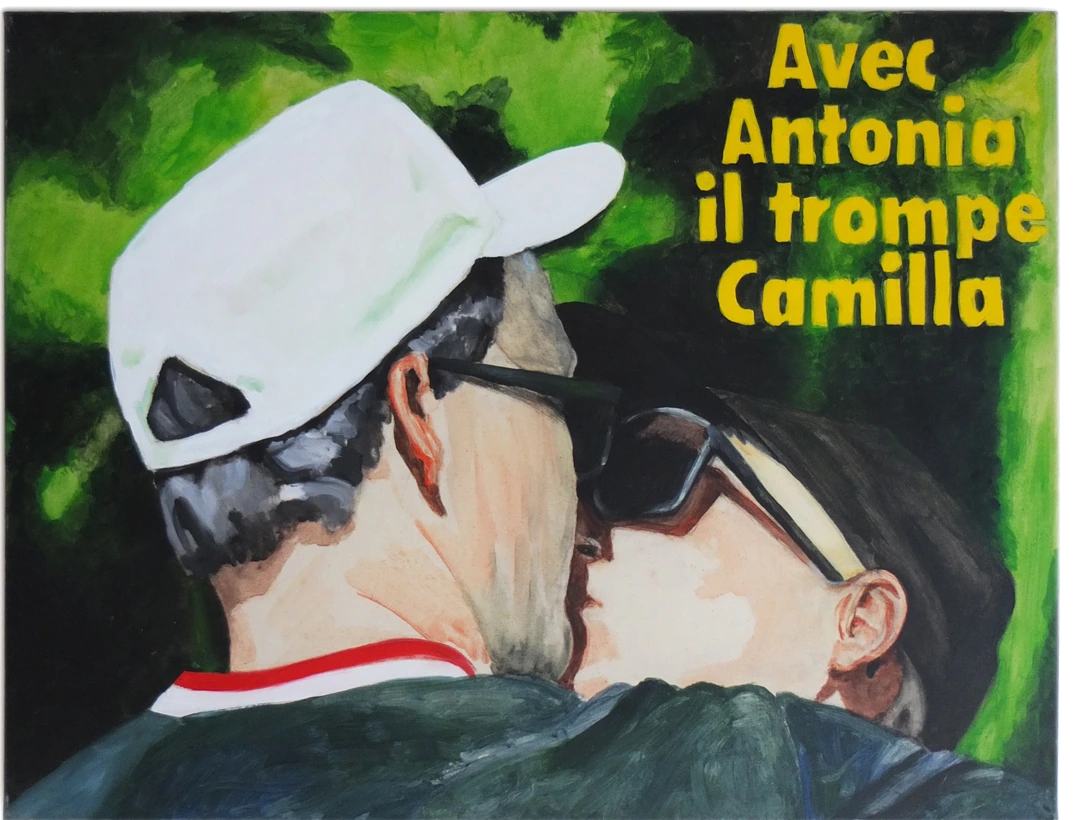
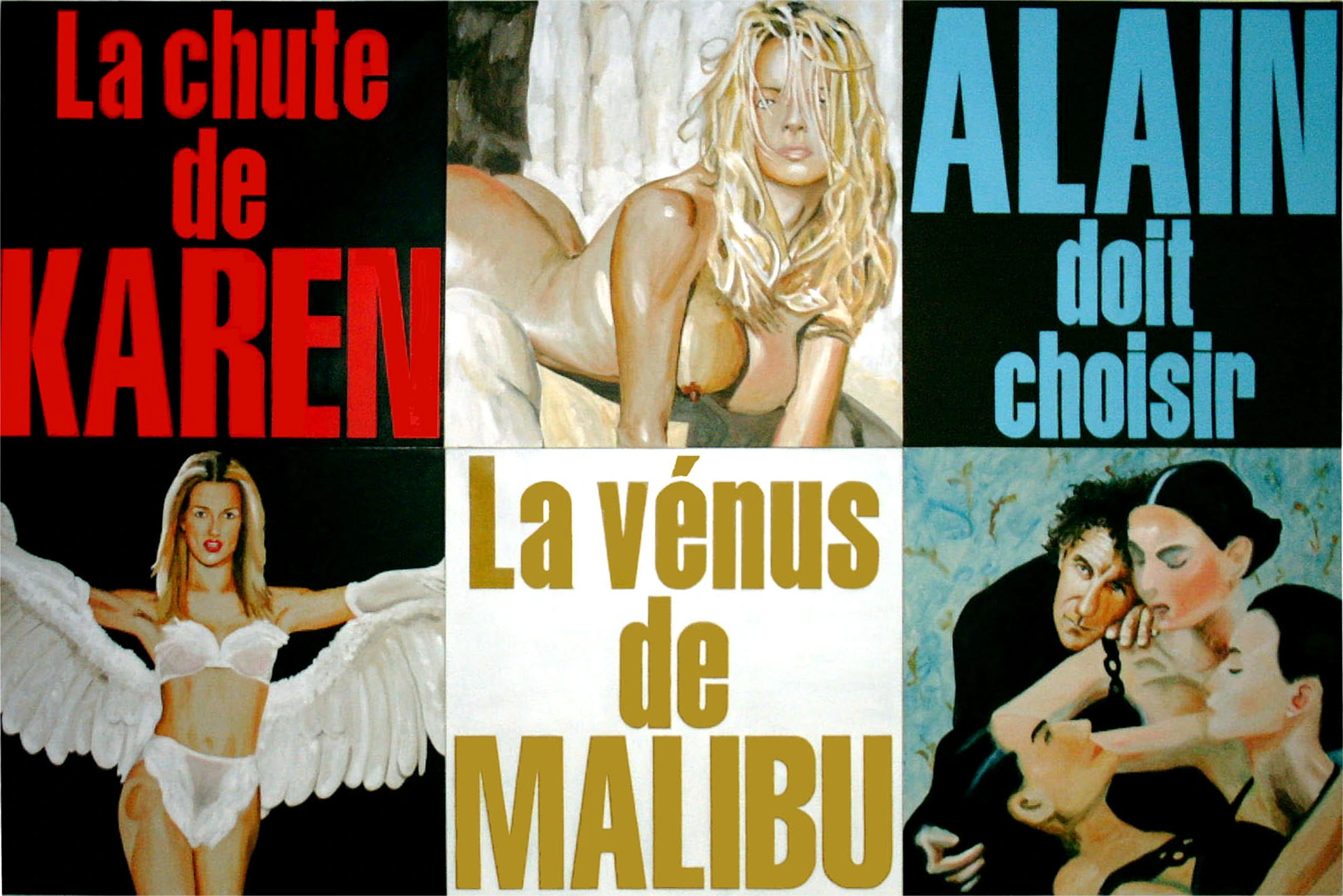
What is a mythological scene today, and how can it be represented?

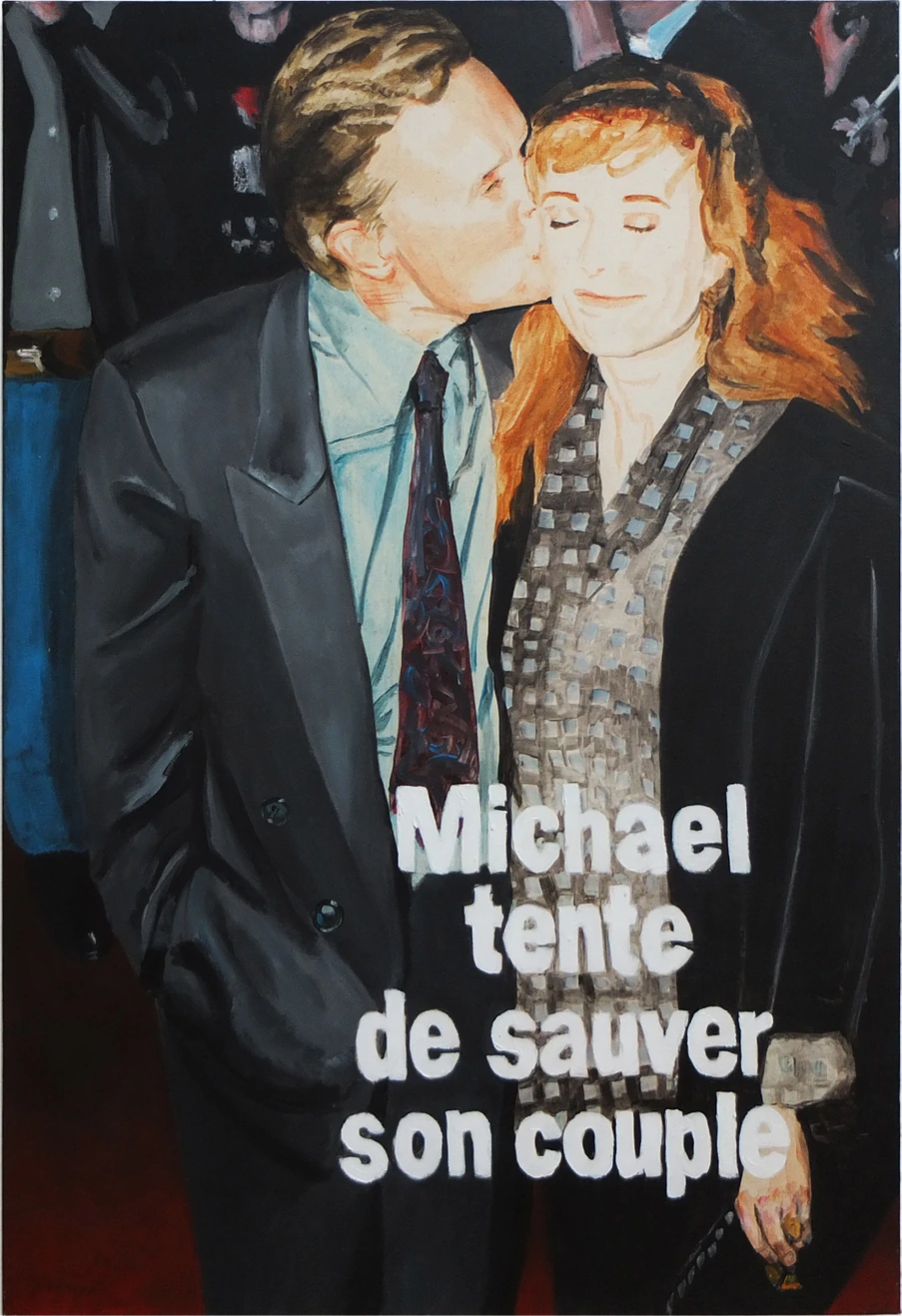
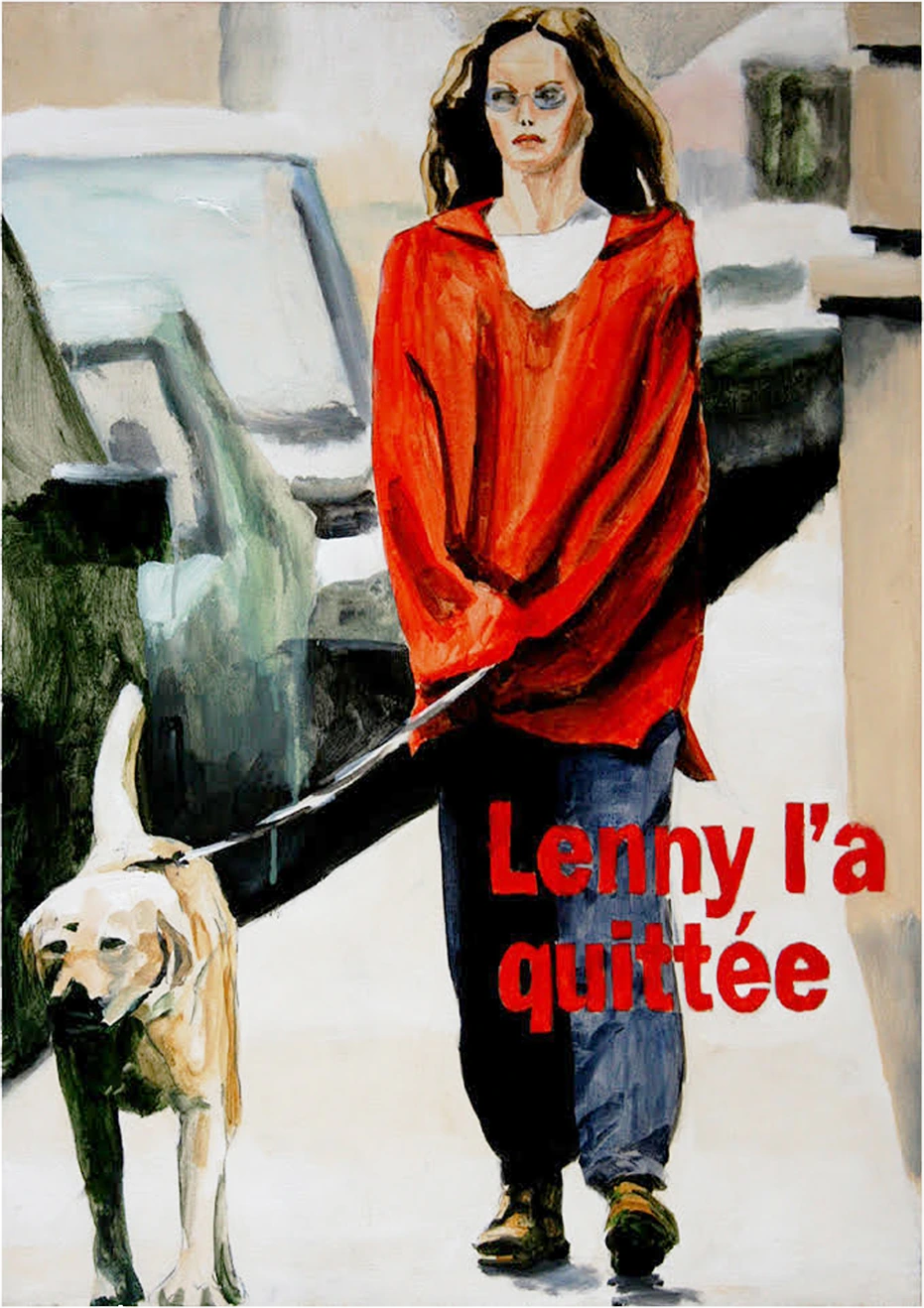
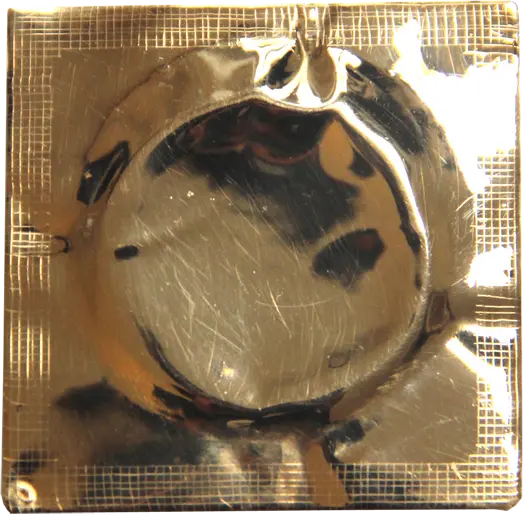
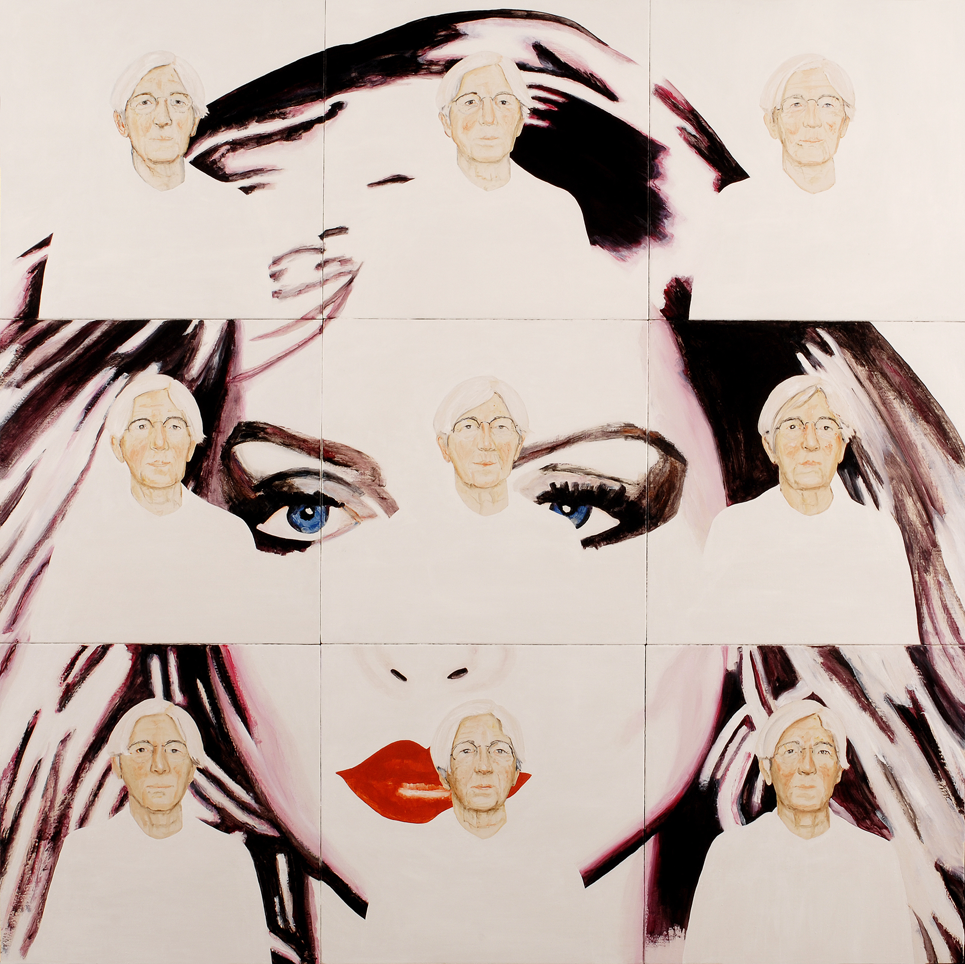
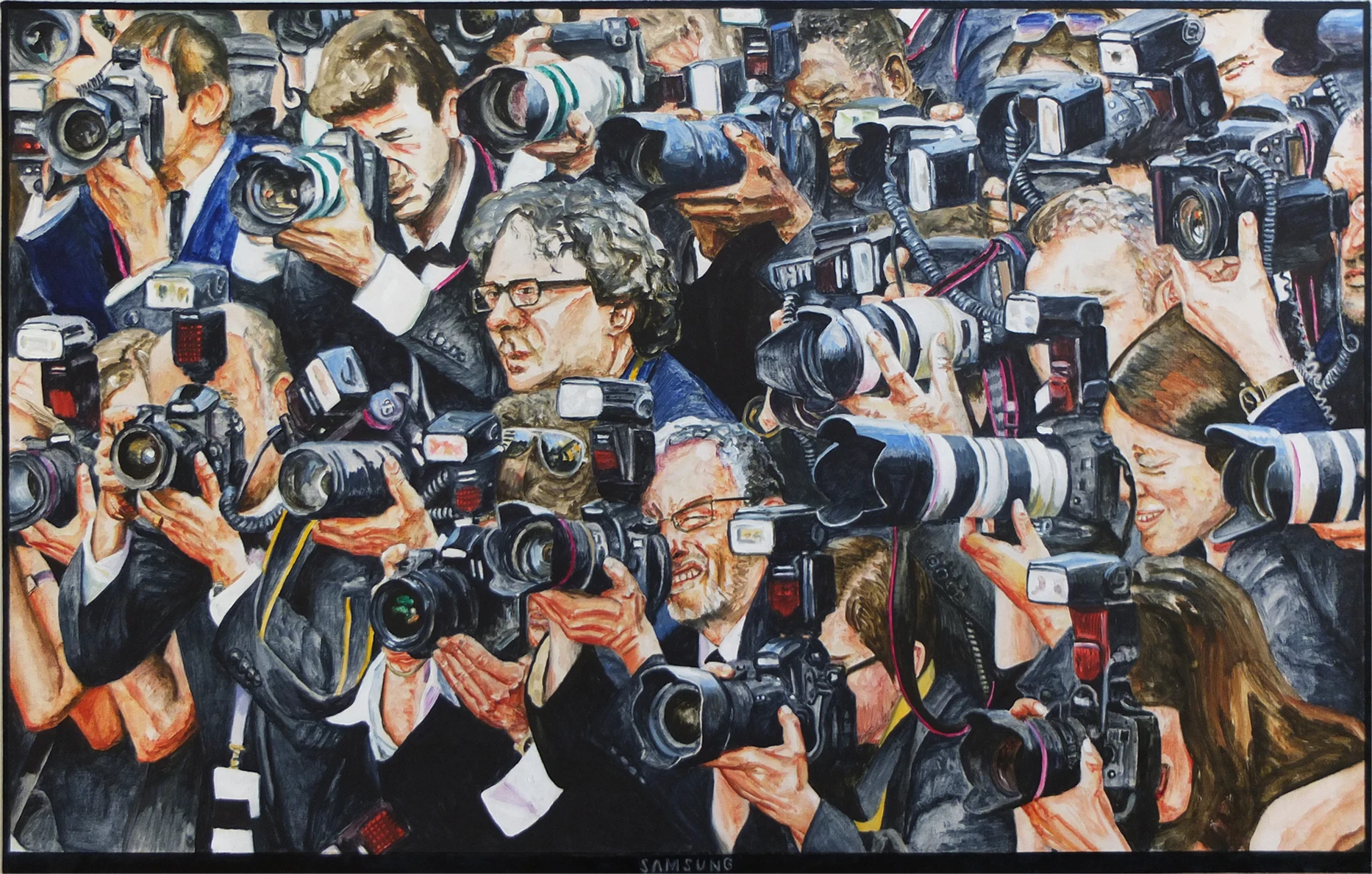
Today’s mythology is a mythology of paparazzi and celebrity magazines. The ancient gods have been replaced by media figures.
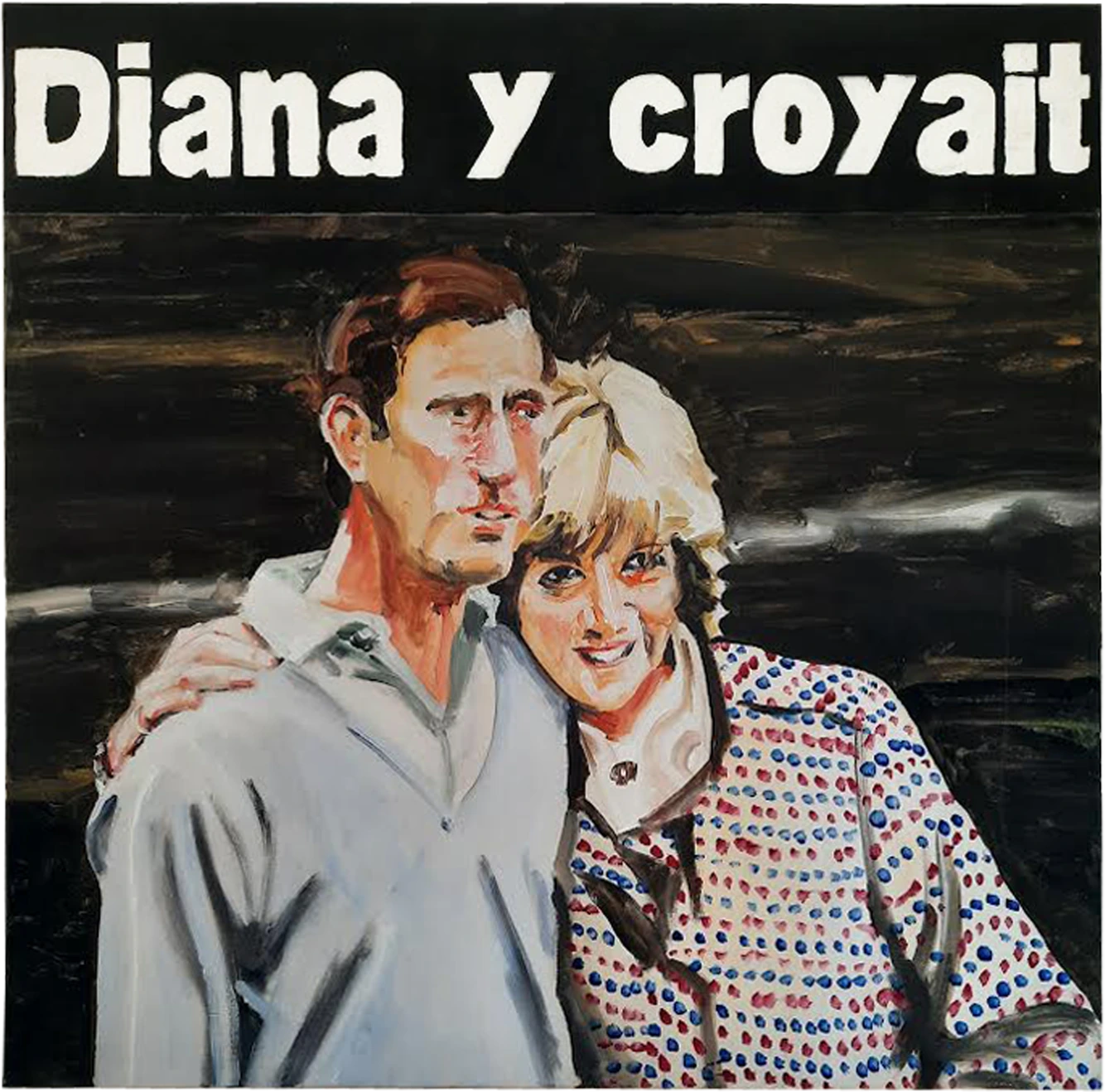
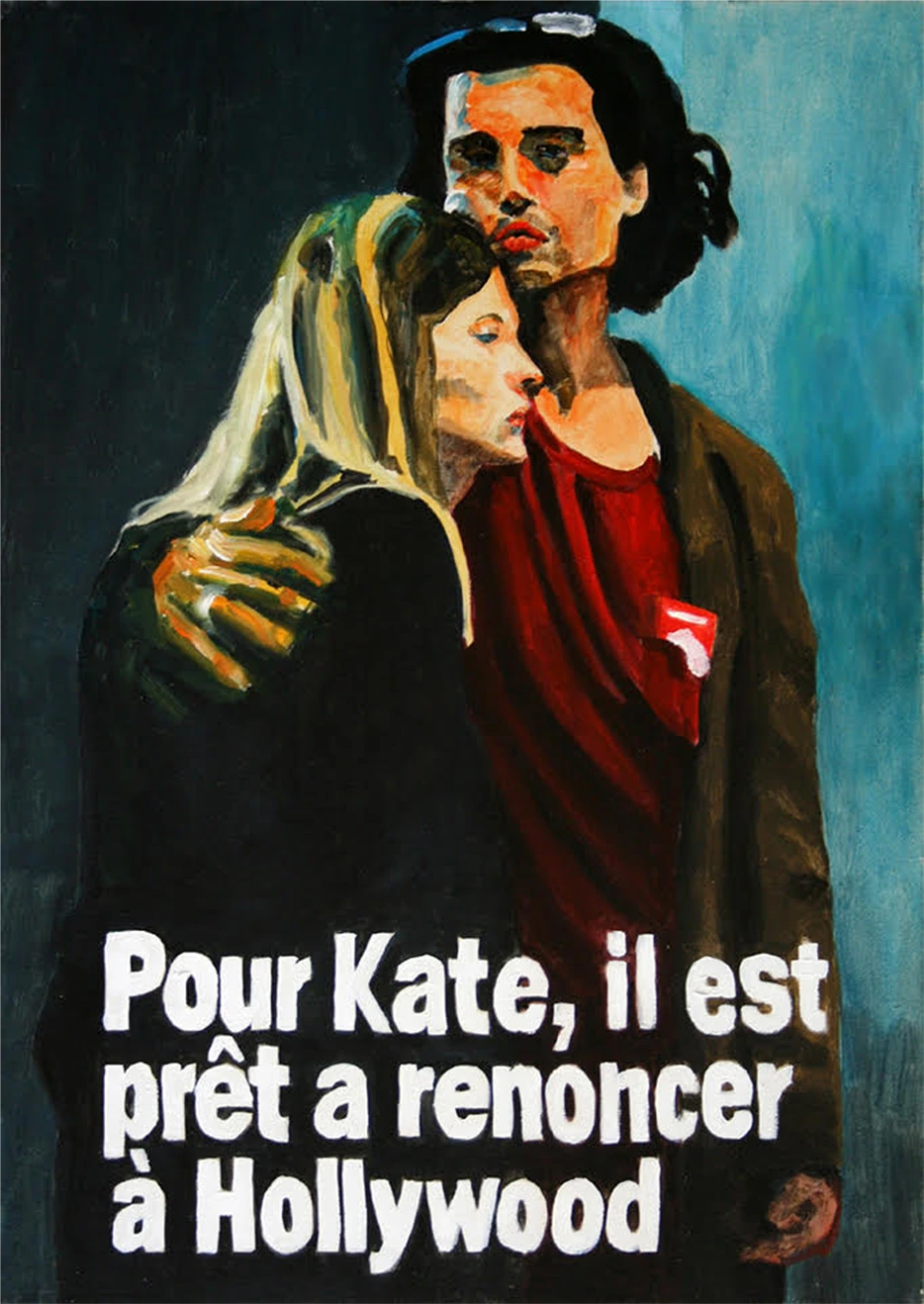
Mythological scene 1 Mythological scene 2 Mythological scene 3 Mythological scene 4 Mythological scene 5 Mythological scene 6 Mythological scene 7 Mythological scene 8 Mythological scene 12 Mythological scene 9 Mythological scene 10 Mythological scene 11

How can these mythological scenes be represented?

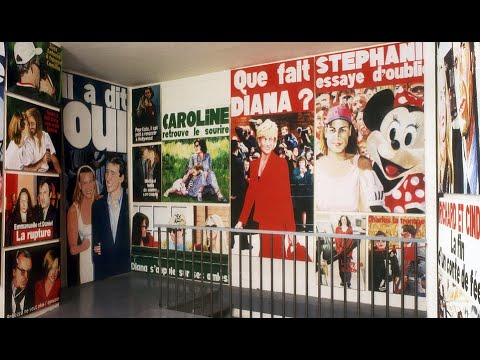
In the history of art, a form developed in the 1970s: installation. An installation is a three-dimensional visual artwork created for or adapted to a specific site, “in situ”, and often conceived to alter the perception of space or create an environment.

I therefore painted canvases on conventional stretchers, but hang them on the wall as an installation: I completely cover one wall or all the walls of a space. Each canvas has artistic status only as part of the whole. The operation here is covering, like wallpaper or carpet, but with painted canvases.

COVERING
Still Lifes

What is a still life today, and how can it be represented?

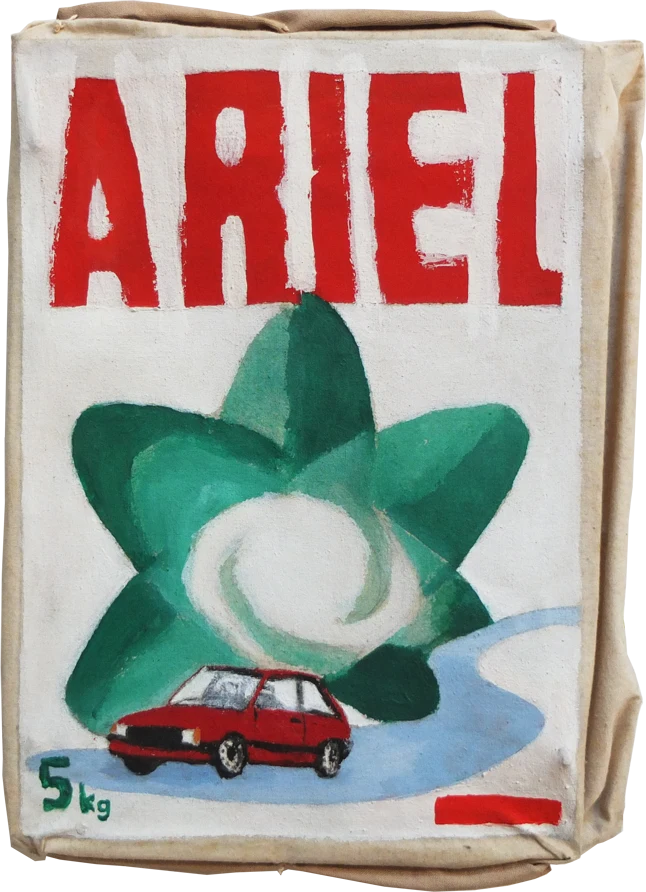
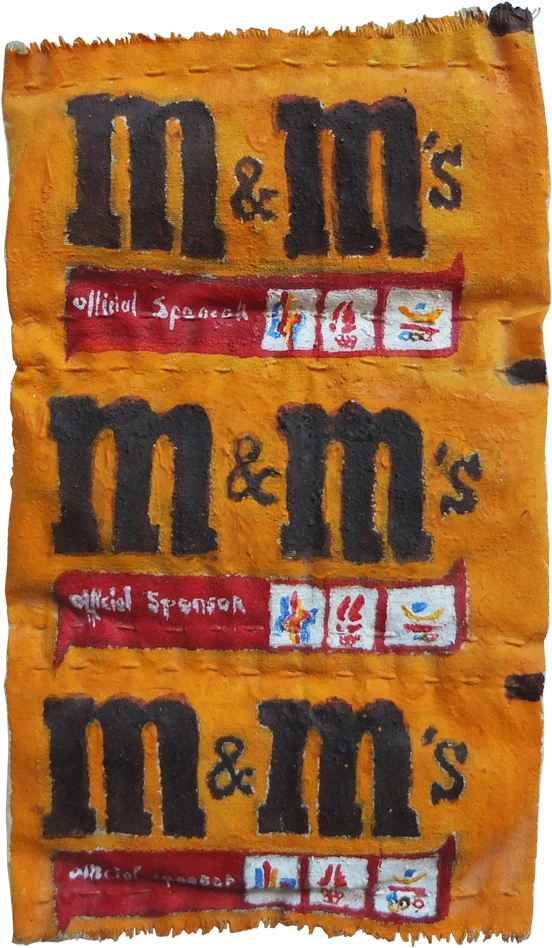
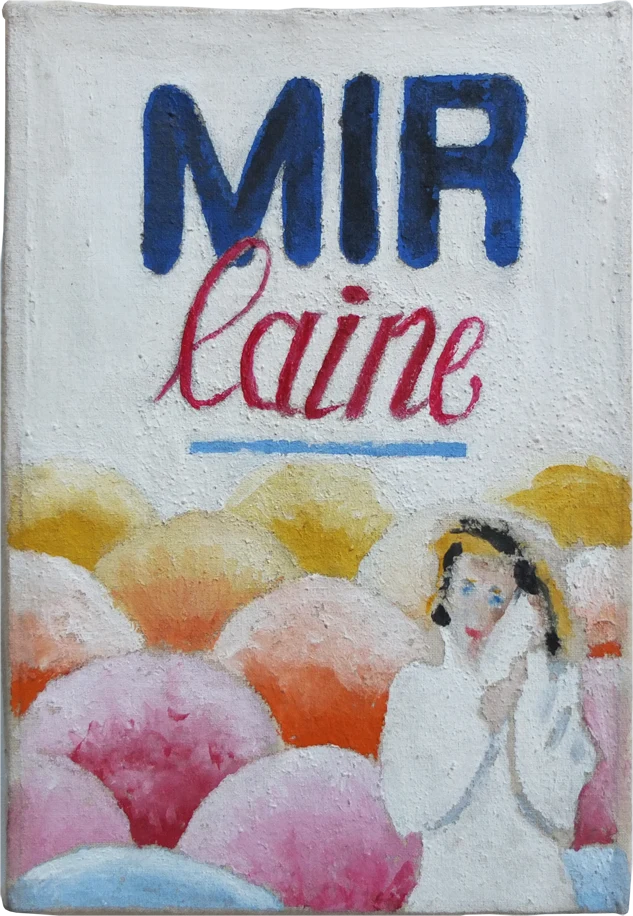
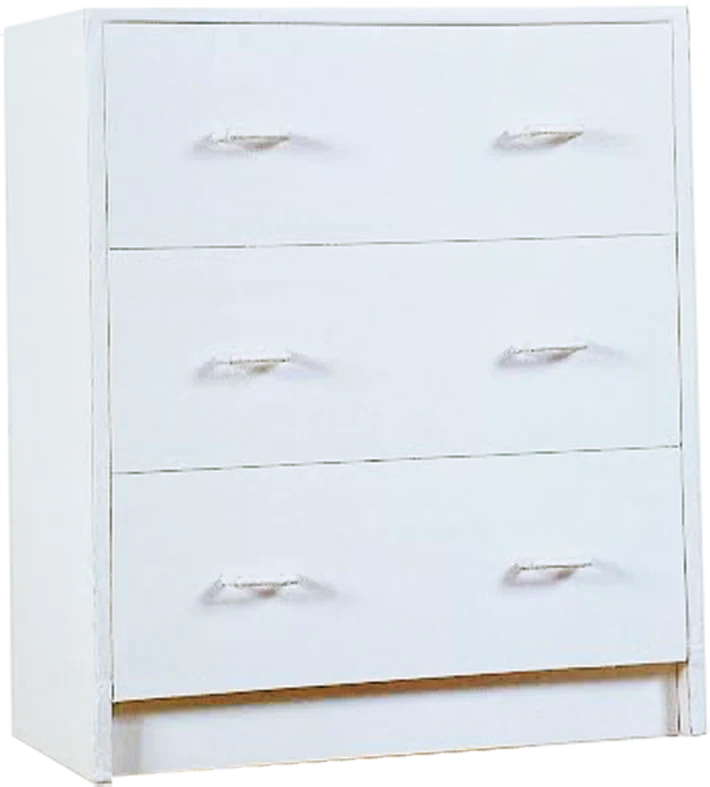
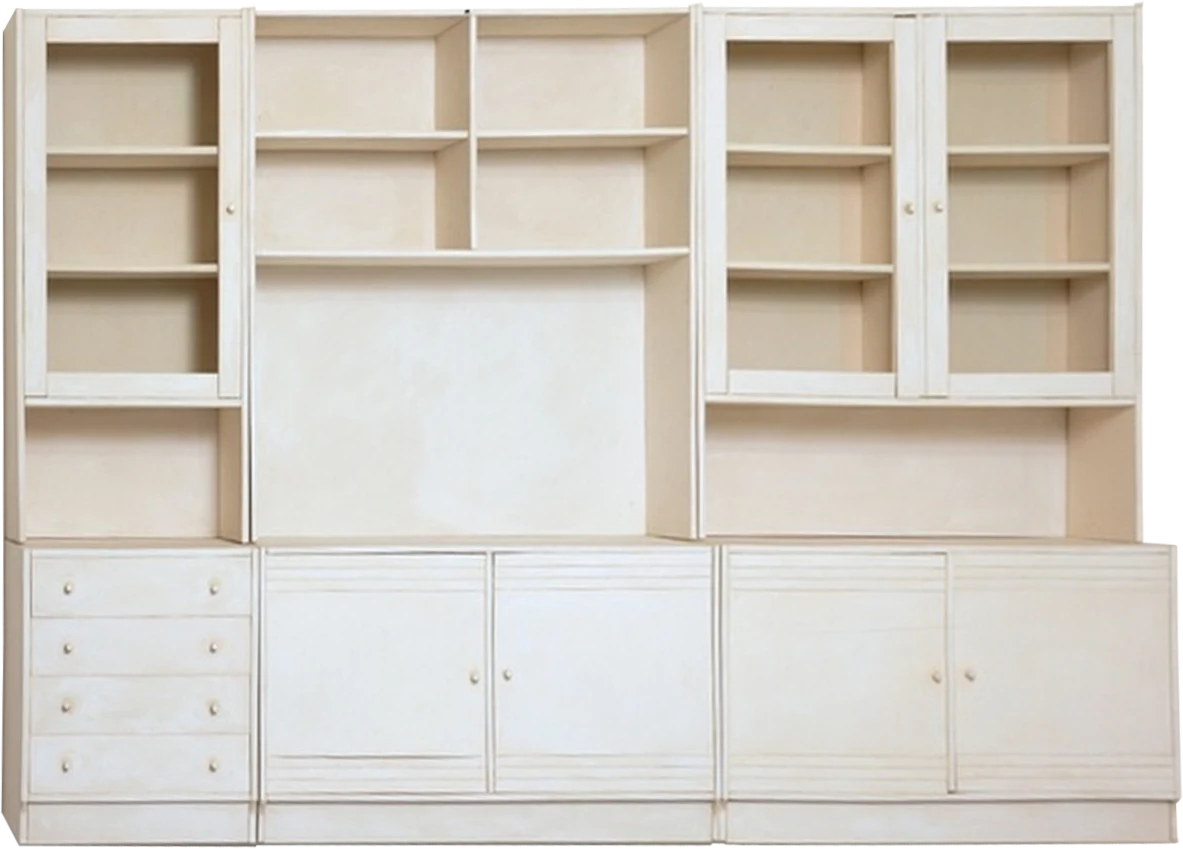
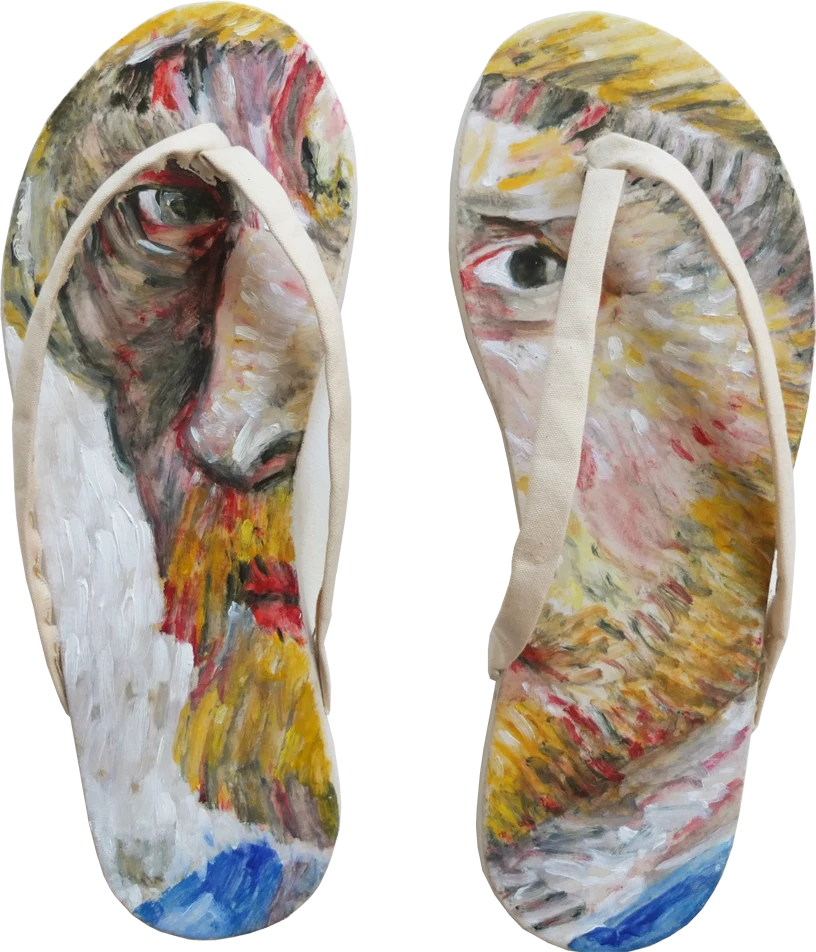
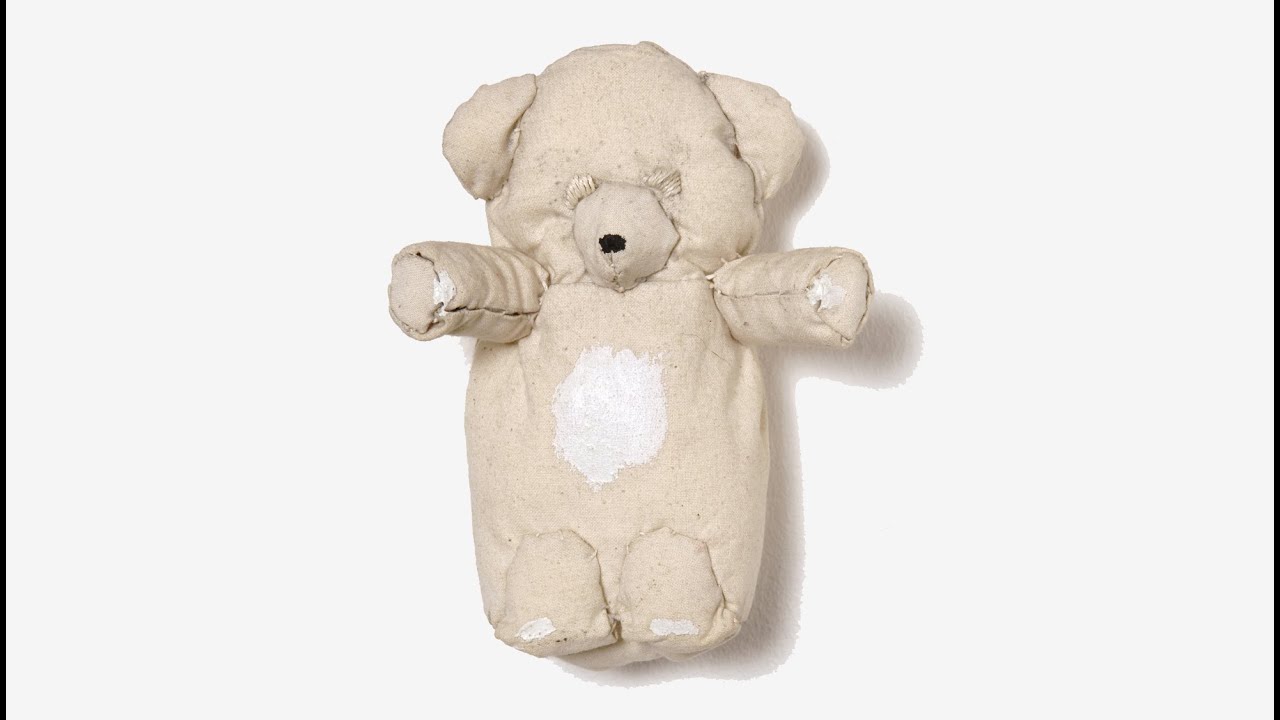
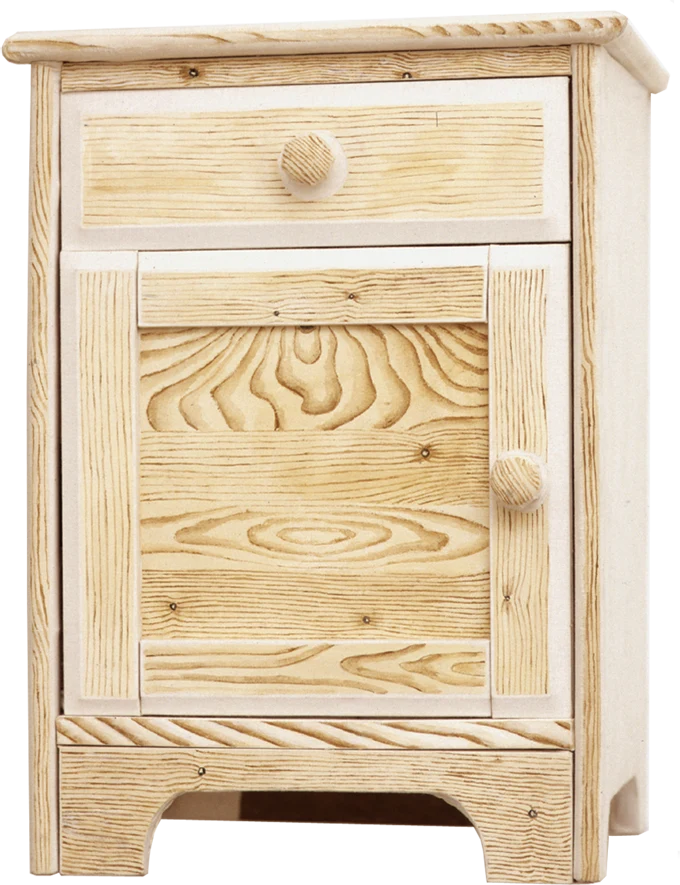
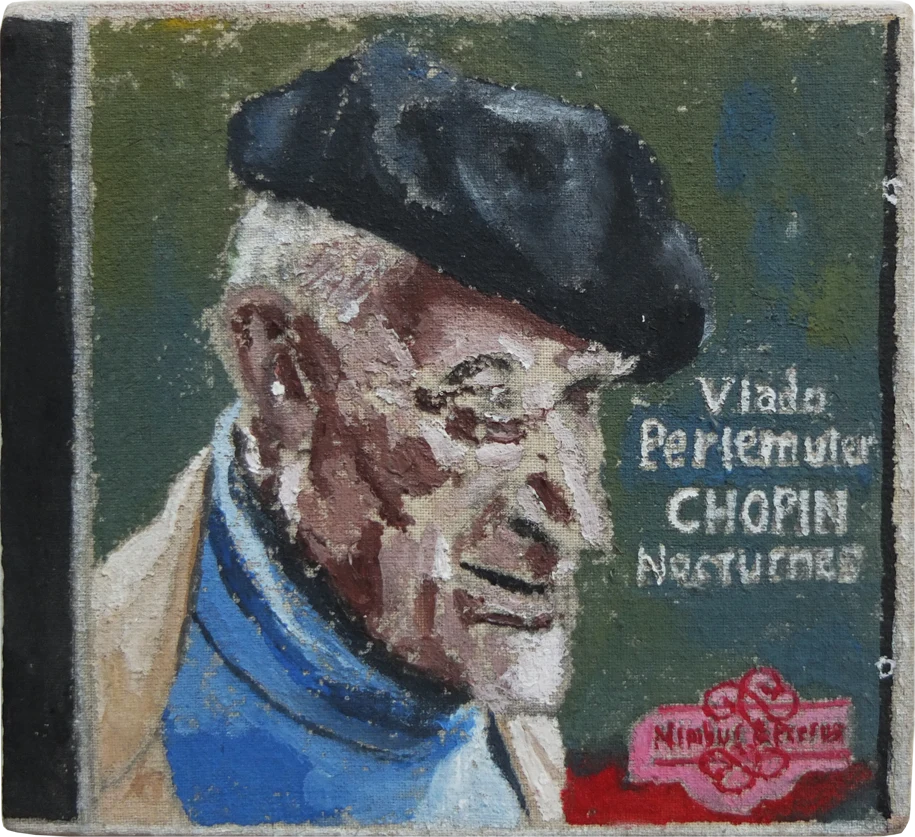
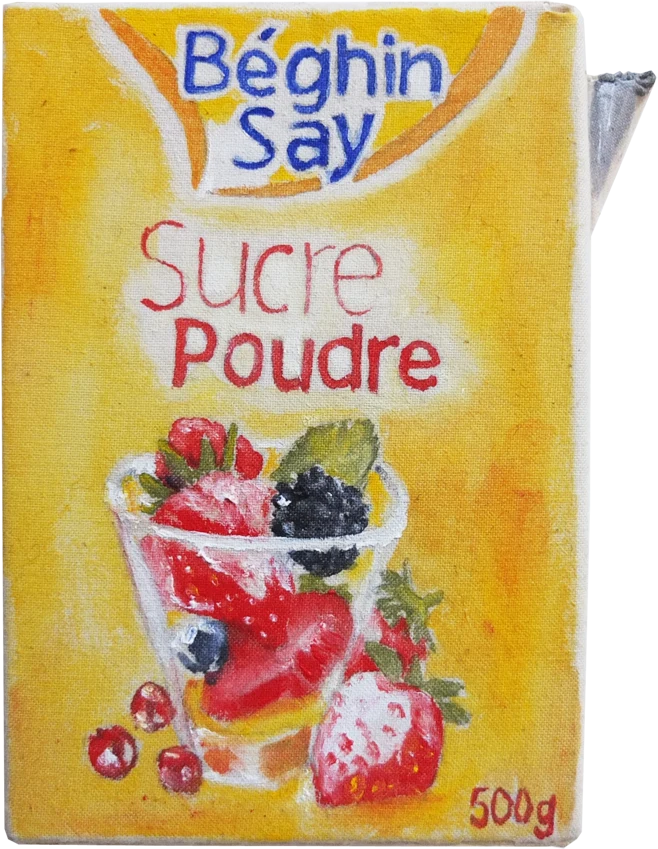
A still life today is naturally an object from everyday life; today, these objects are all manufactured. What interests me in these objects is not their intrinsic value, but the emotional relationship I can have with them through their use. For example, Cérébos salt, or the little boy throwing salt on a pigeon’s tail, fascinated me when I was a child.
Still life Still life Still life Still life Still life Still life Still life Still life Still life

How can a still life be represented?

Still life is at the origin of my work. At the time, in the 1980s, I was not asking this precise question, but rather this one:

How can I paint today while integrating into my work the important artists of the 20th century who did not make paintings, but explored the visual arts in other ways?

Because my work always contains a reference to the history of art.
Still life Still life Still life Still life Still life

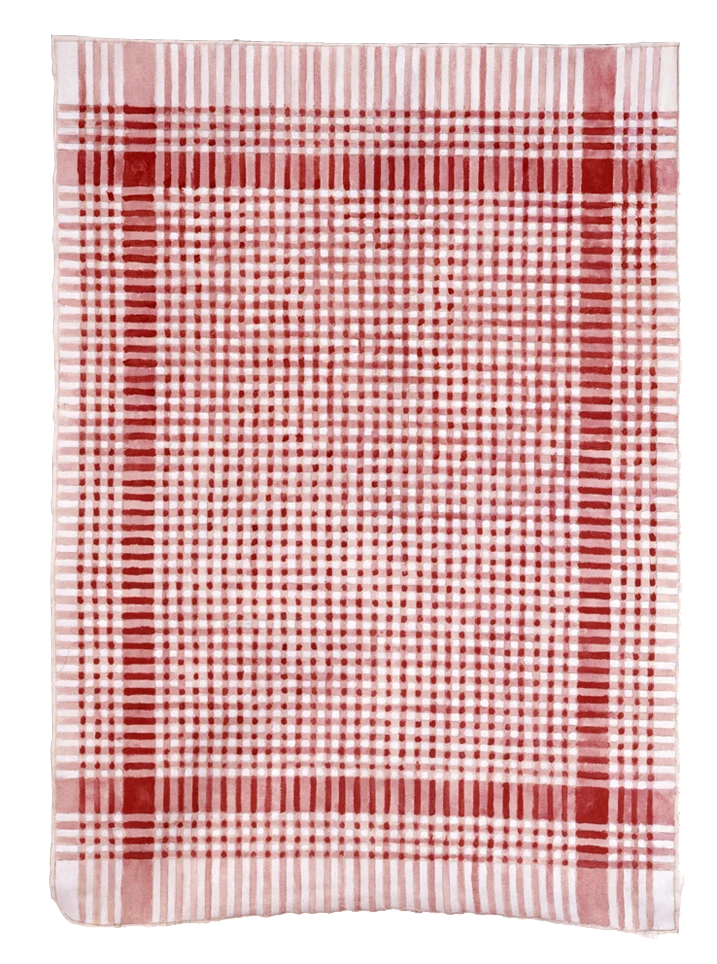
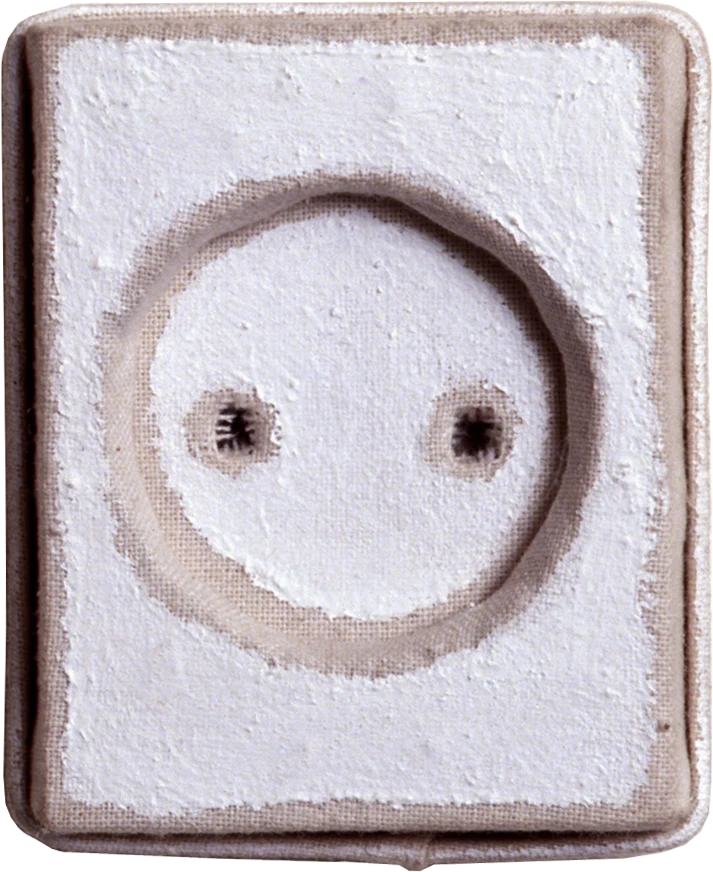
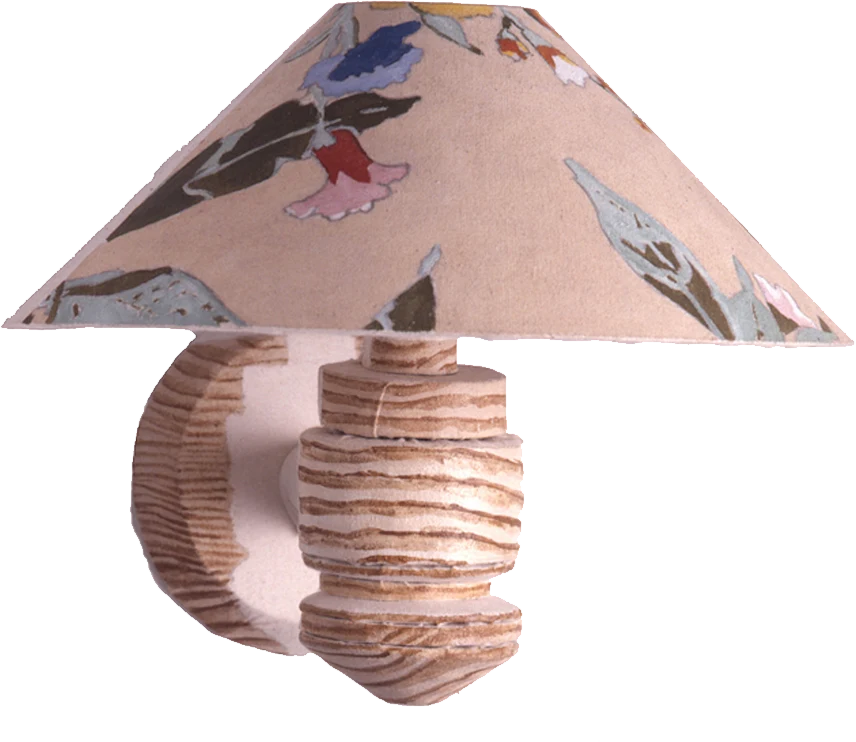
I eventually came to think that painting generally uses two objects or materials: the stretcher and the canvas. After an important work by Daniel Dezeuze in which the stretcher becomes the subject of the work through the transparency of the plastic canvas, it seemed important to me to give the stretcher greater value. To give it a particular presence, I gave it the volume of the object represented. As for the canvas, after seeing works by Beuys in which felt is shown as such, without even being worked, it seemed essential to give this canvas two statuses: its conventional role as a support for painting, but also to show it as raw material. I therefore built a stretcher to the scale of the object represented and covered it with sewn canvas. Once it was hung on the wall, I painted only the surface parallel to the wall and facing the viewer.

Still life Still life Still life Still life Still life

Religious Scenes

What is a religious scene today, and how can it be represented?

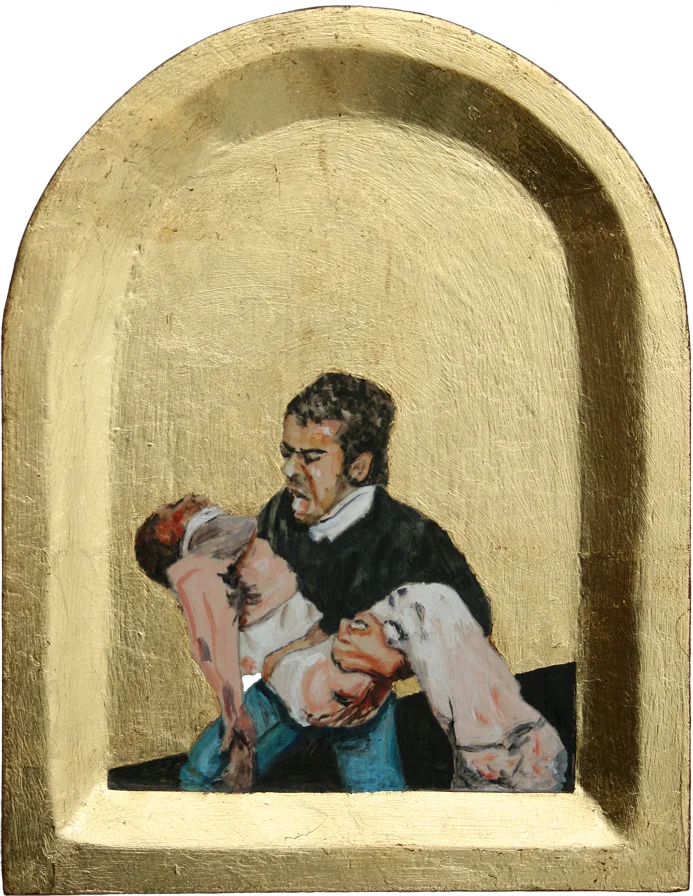
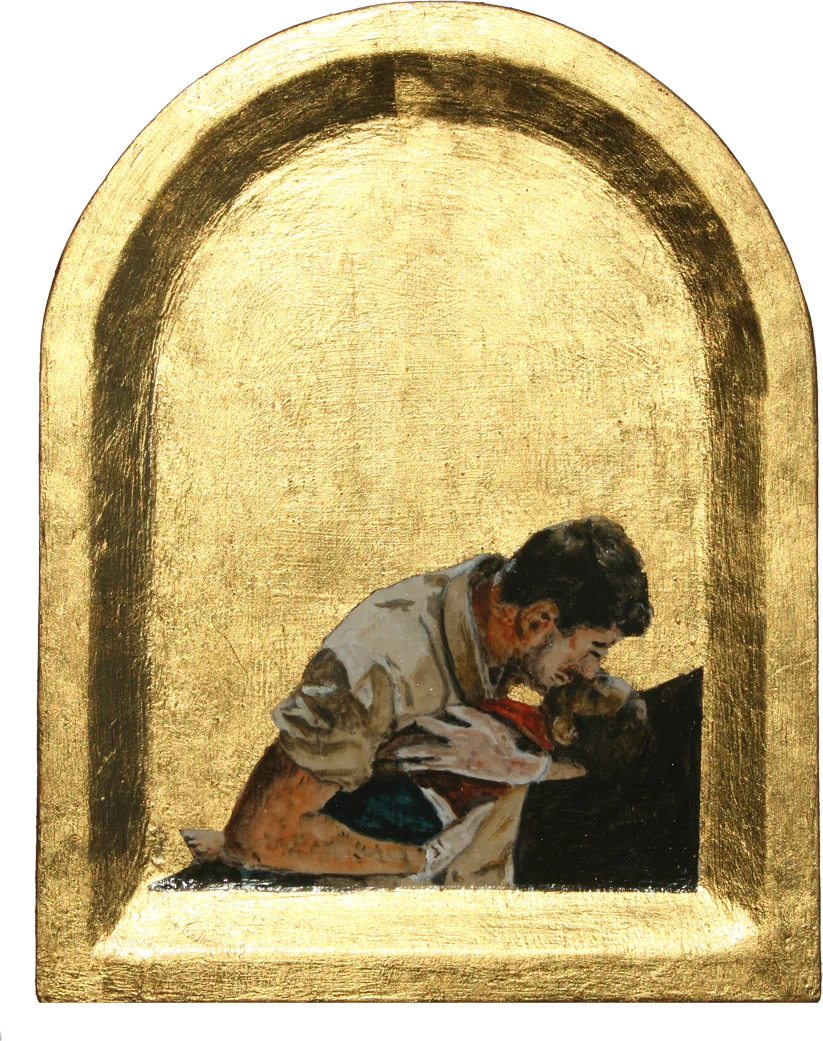
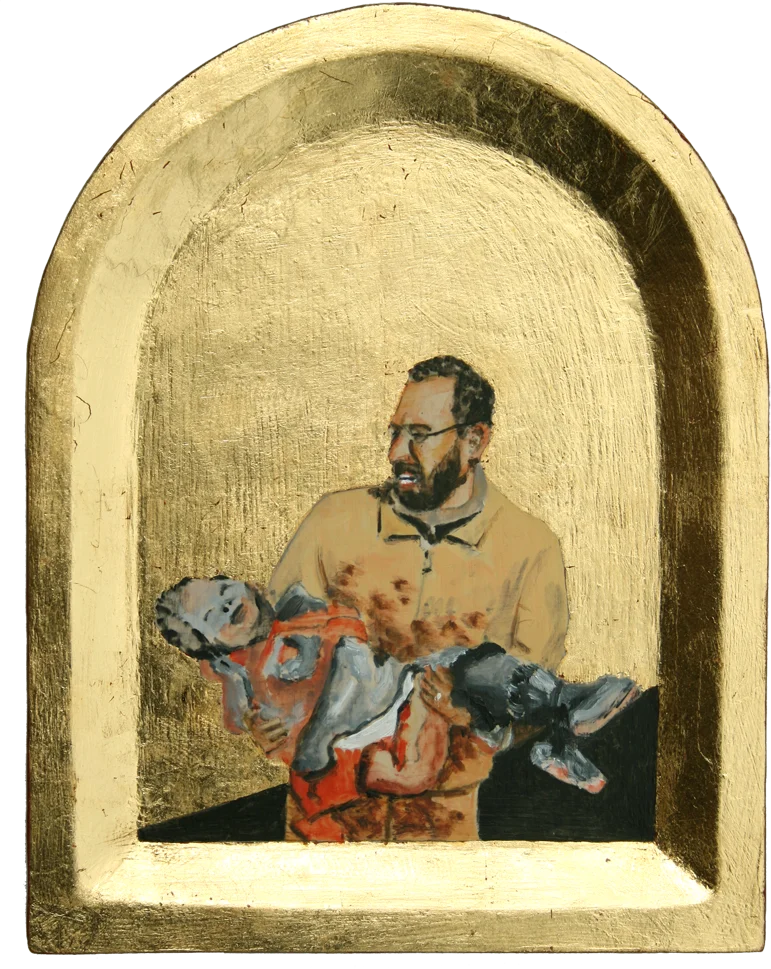
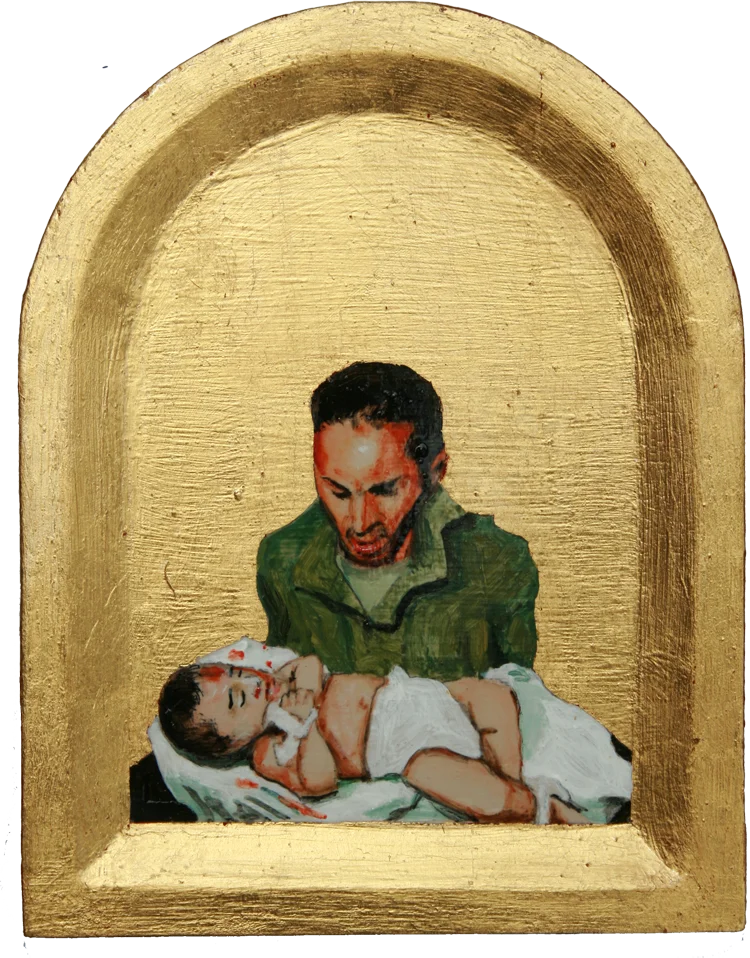
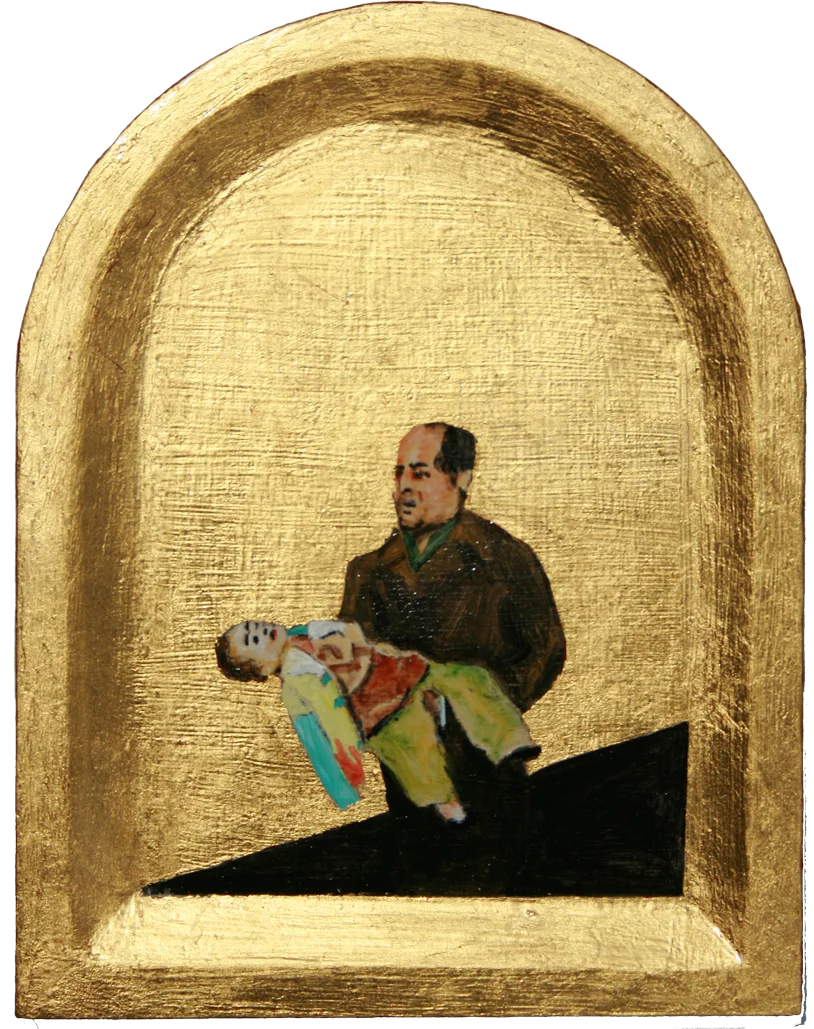
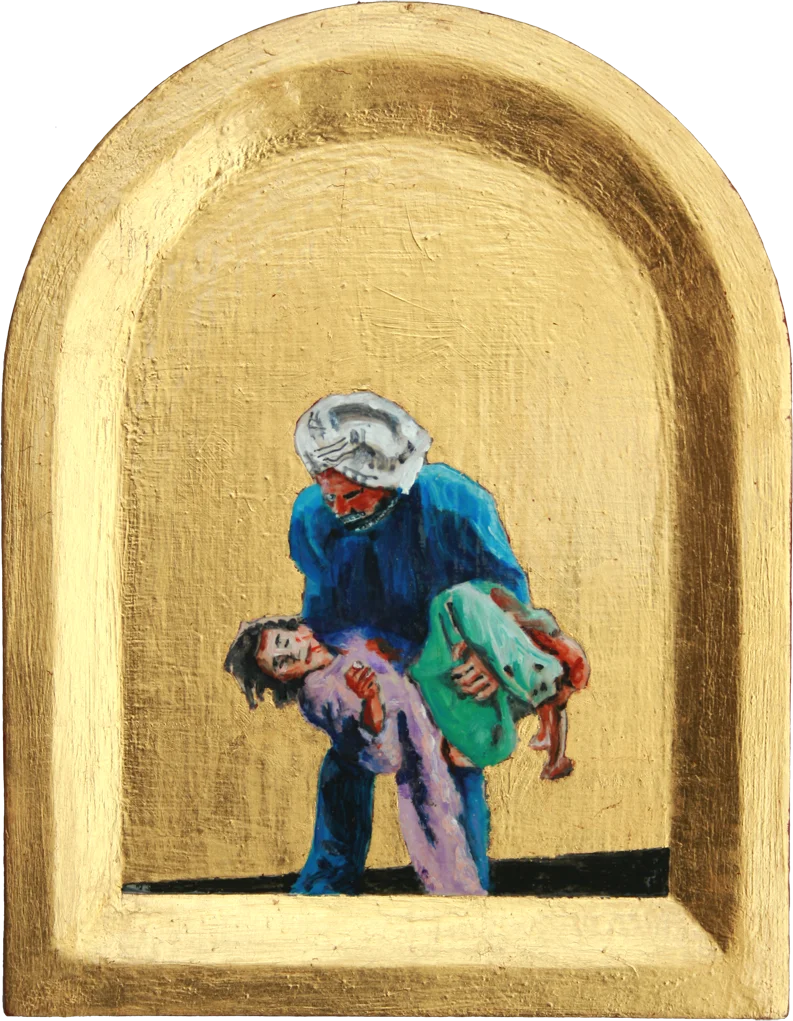
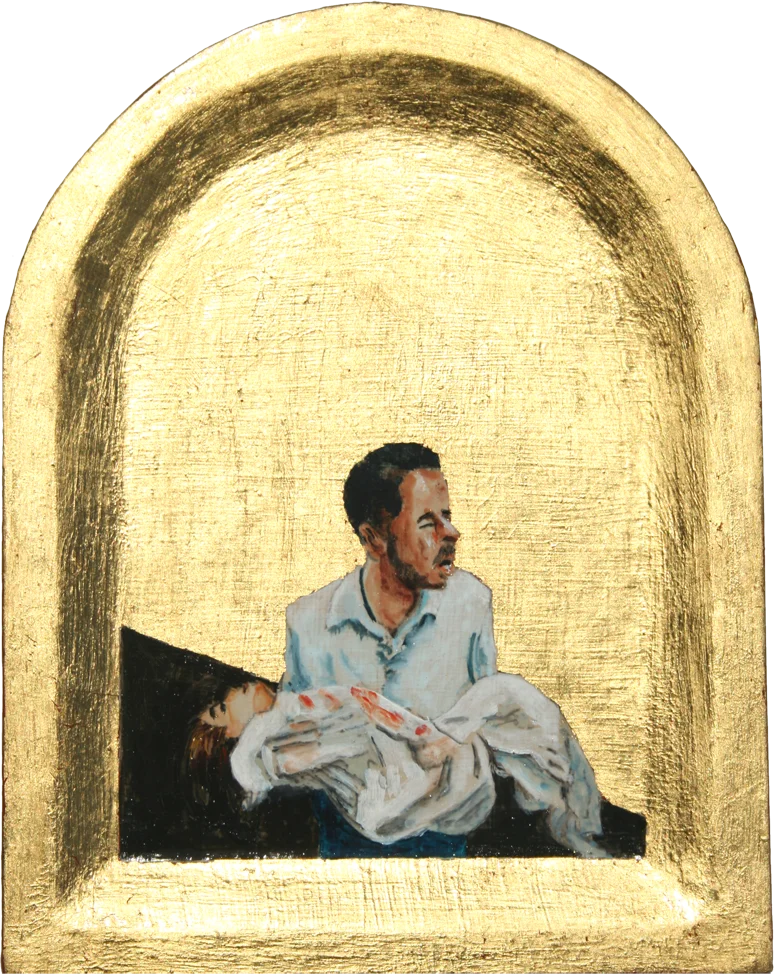
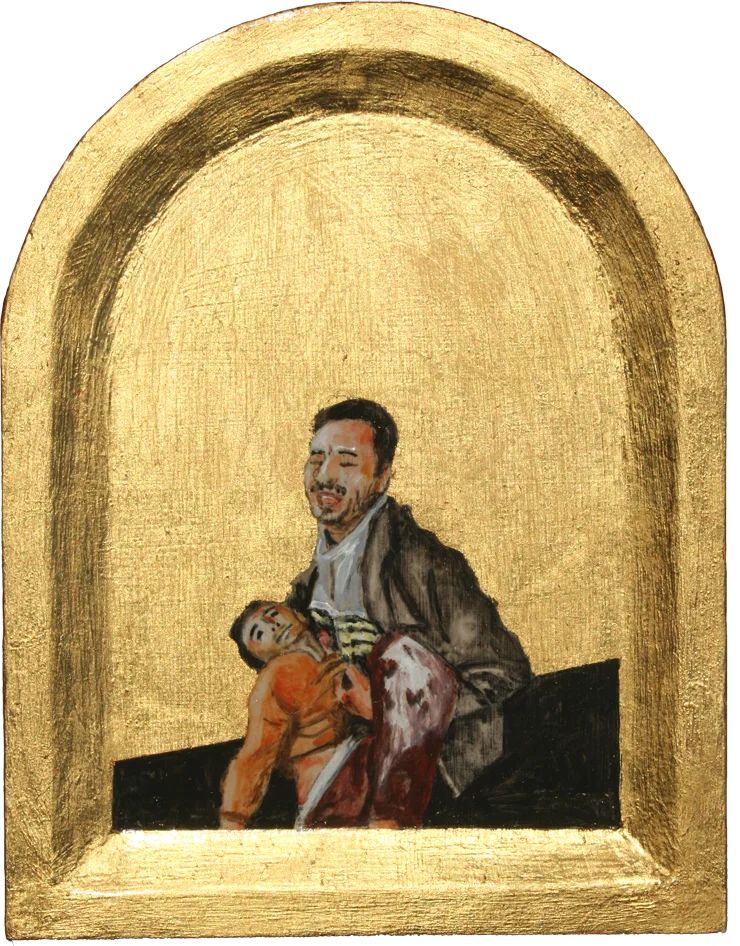
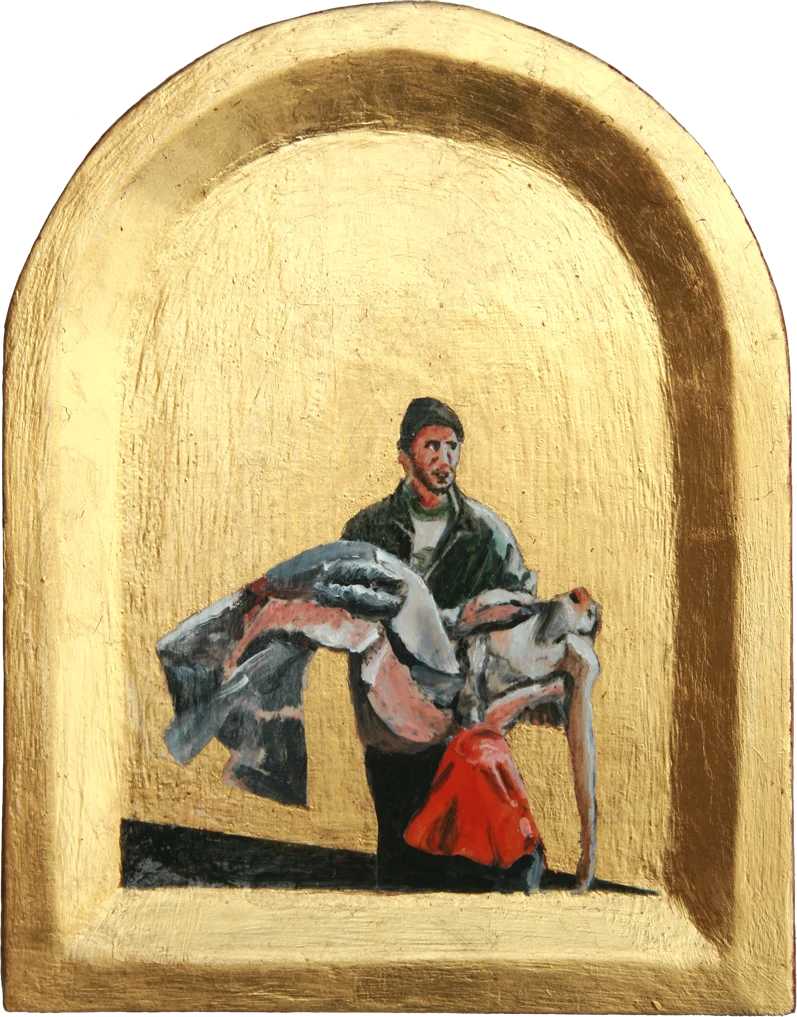
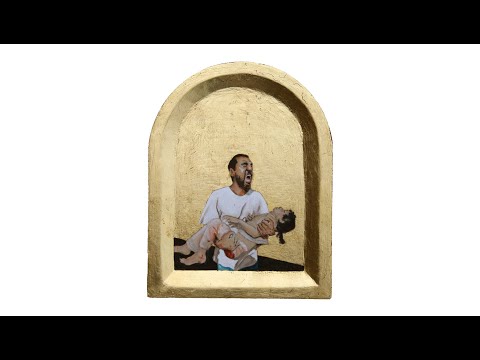
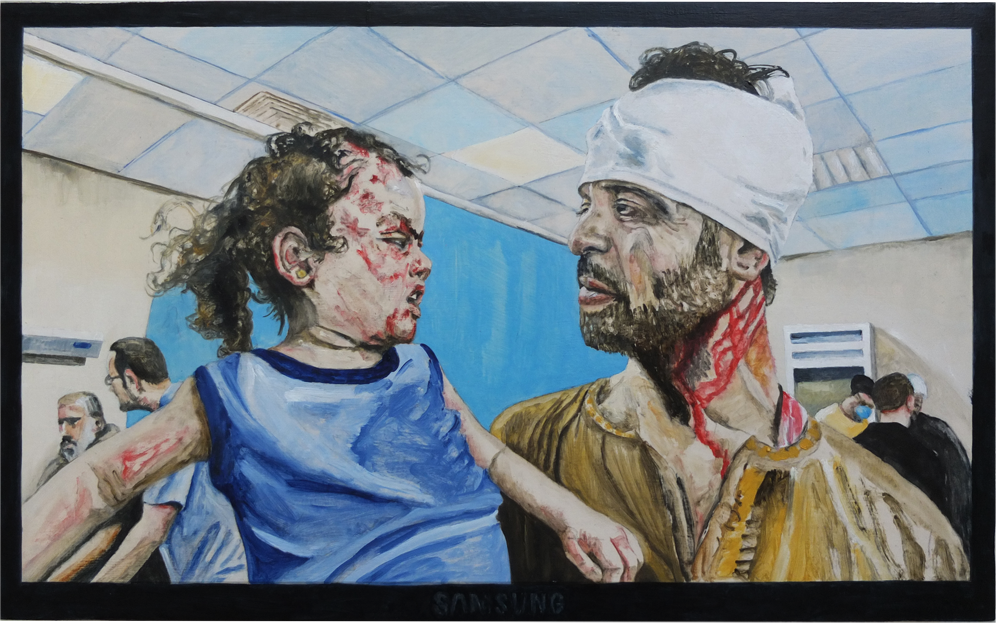
Religions are little practiced, yet they are highly visible in the media, mainly through murders and attacks. Religious images today are therefore images of violence.

Religious scene 1 Religious scene 2 Religious scene 3 Religious scene 4 Religious scene 5 Religious scene 6 Religious scene 7 Religious scene 8 Religious scene 9

How can this religious scene be represented?

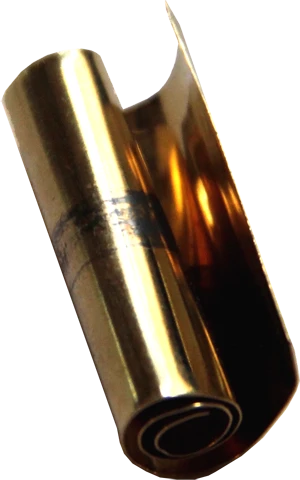
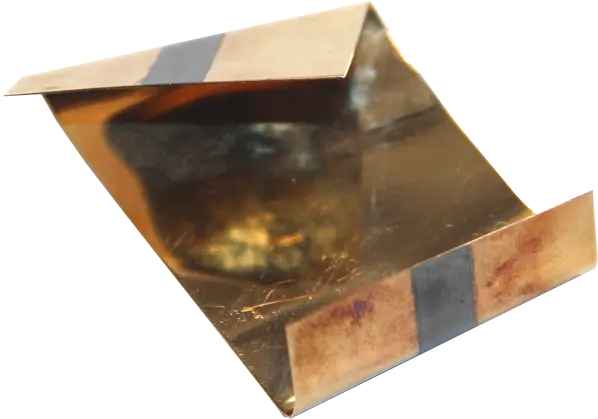
My work always contains a reference to the history of art, and in the history of art, what is emblematic of the religious scene is the icon. Icons are paintings of figures on wood; the background is not painted but covered with gold leaf. I therefore chose to paint on wood with a gold-leaf background. But instead of the Virgin and Child, I painted a father carrying his child, who has been killed in an attack.

Portraits

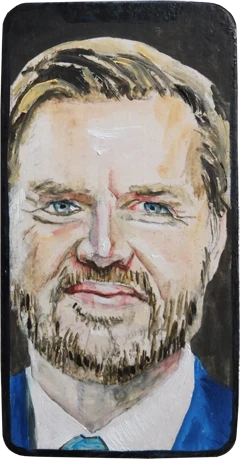
What is a portrait today, and how can it be represented?

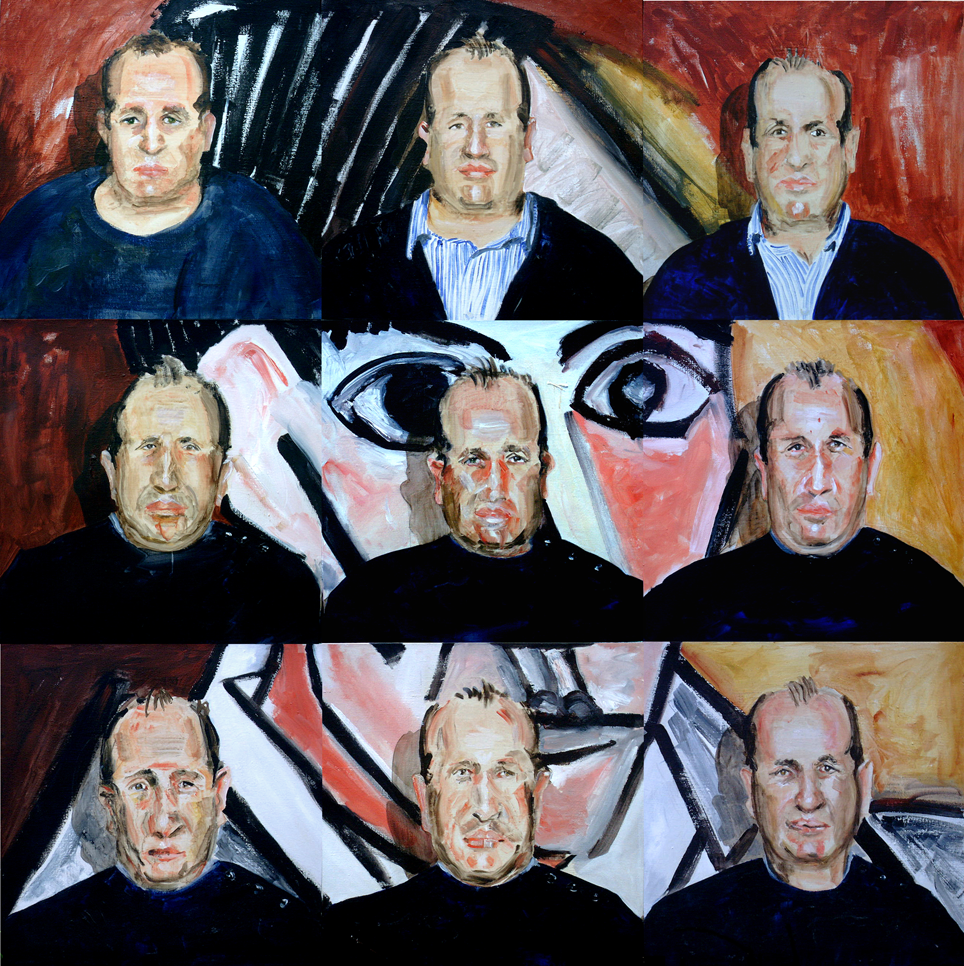
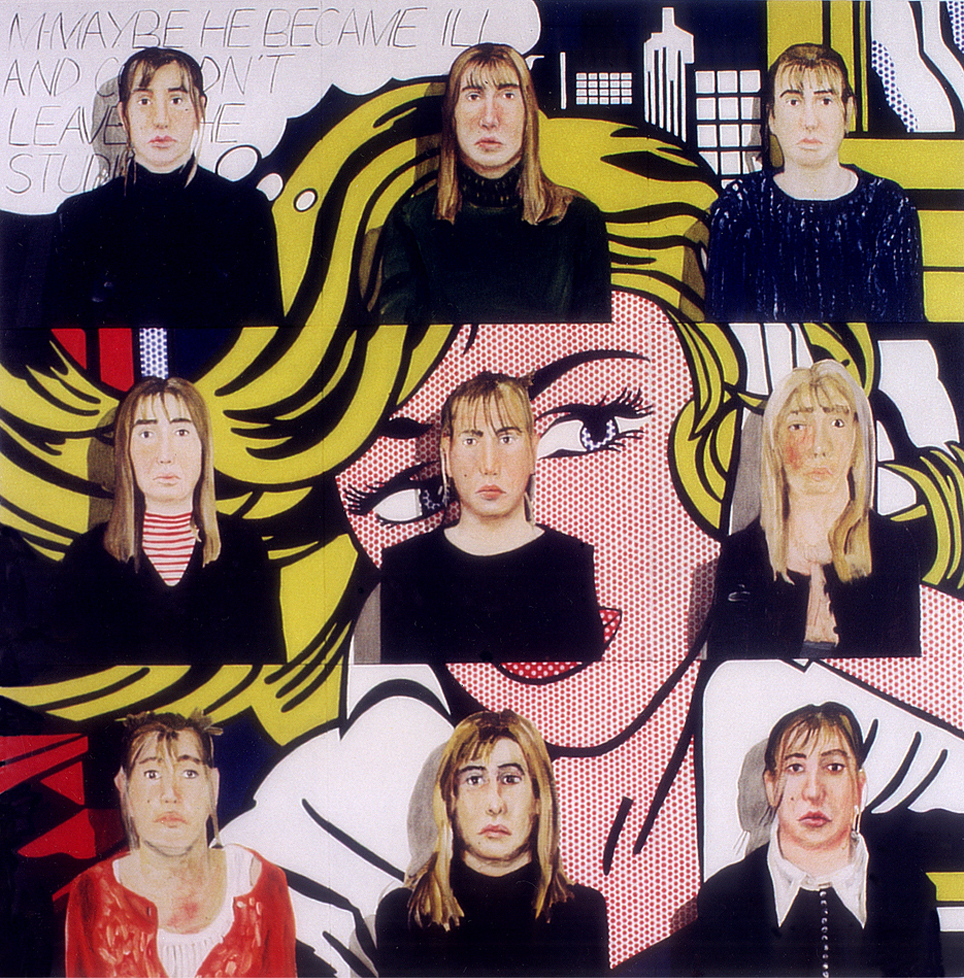
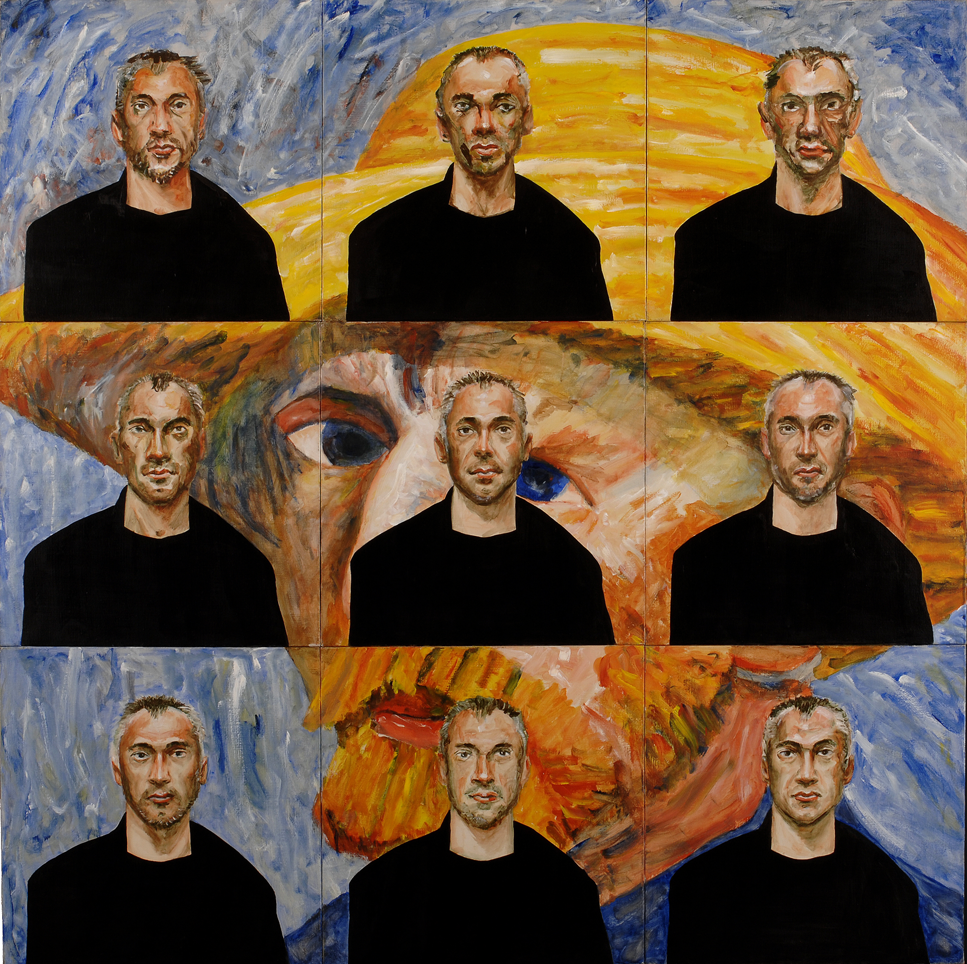
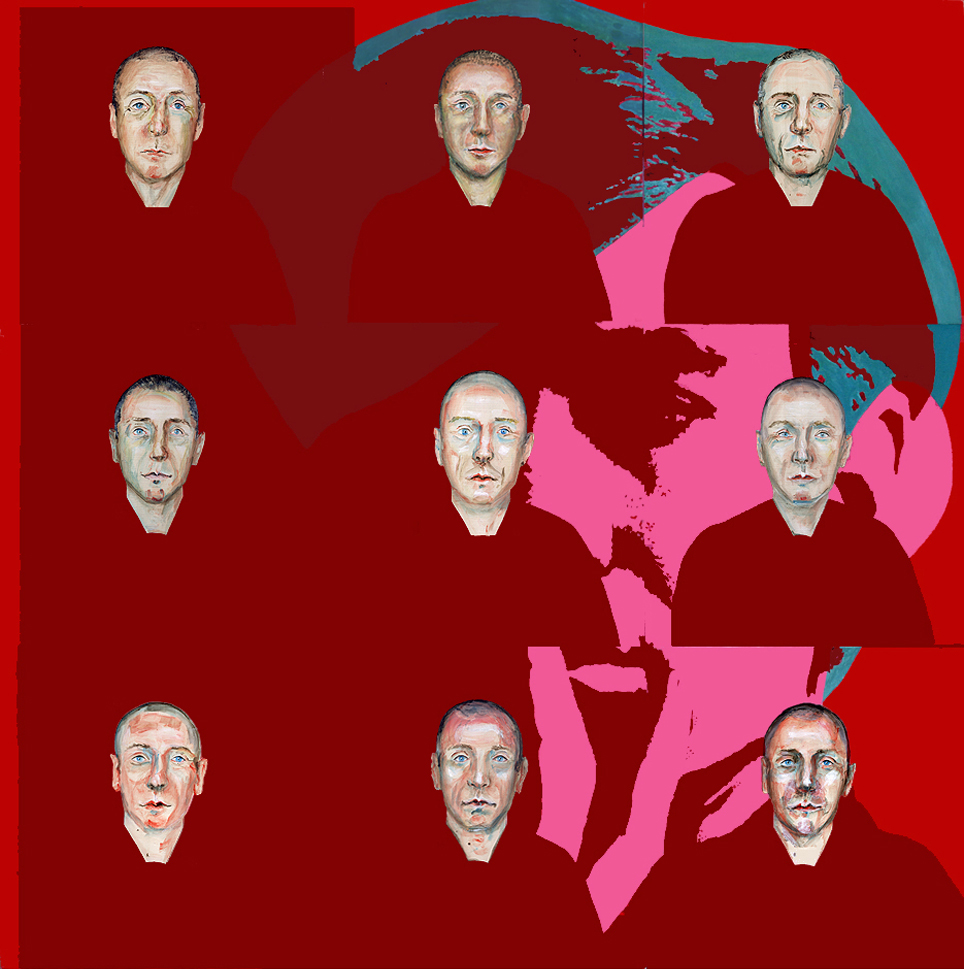
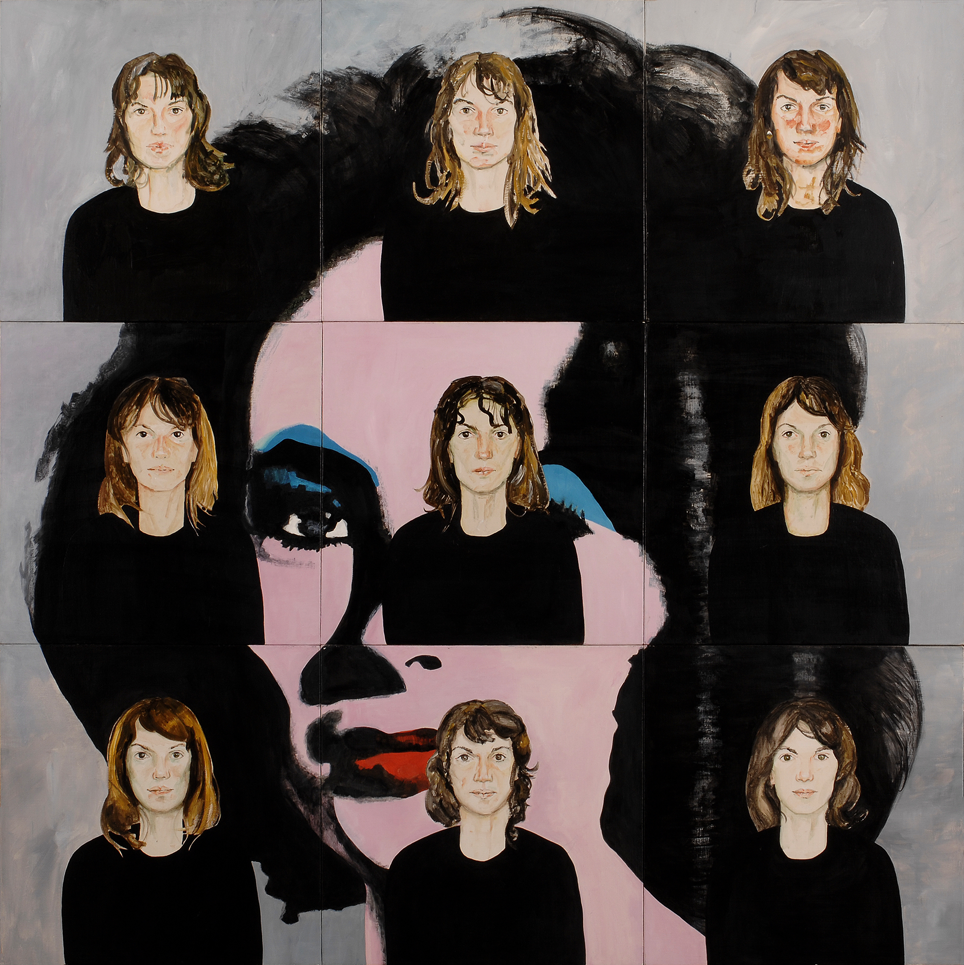
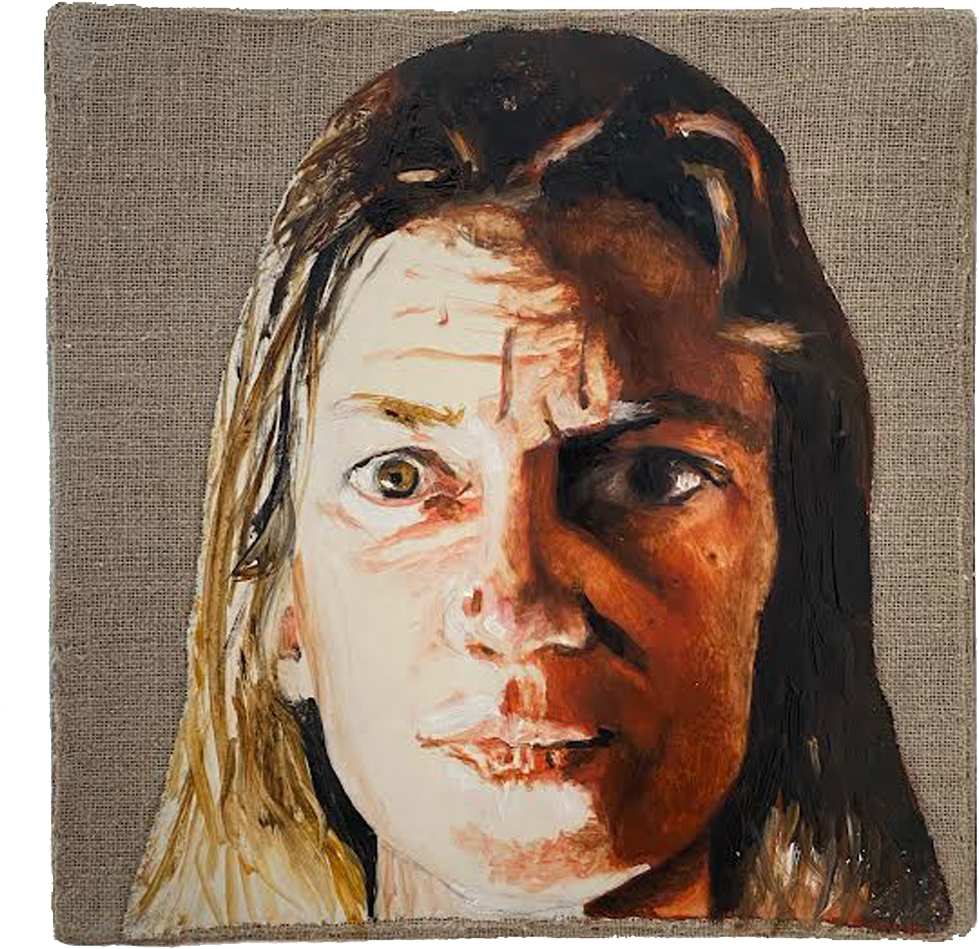
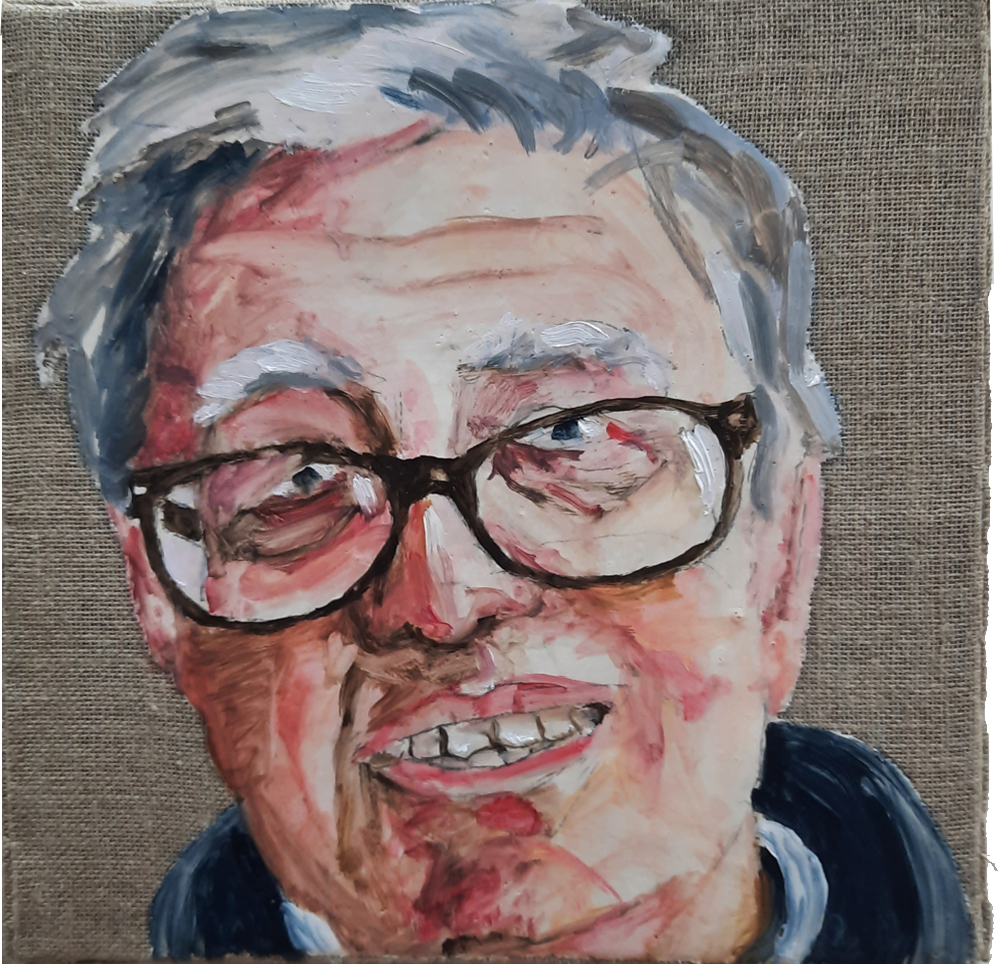
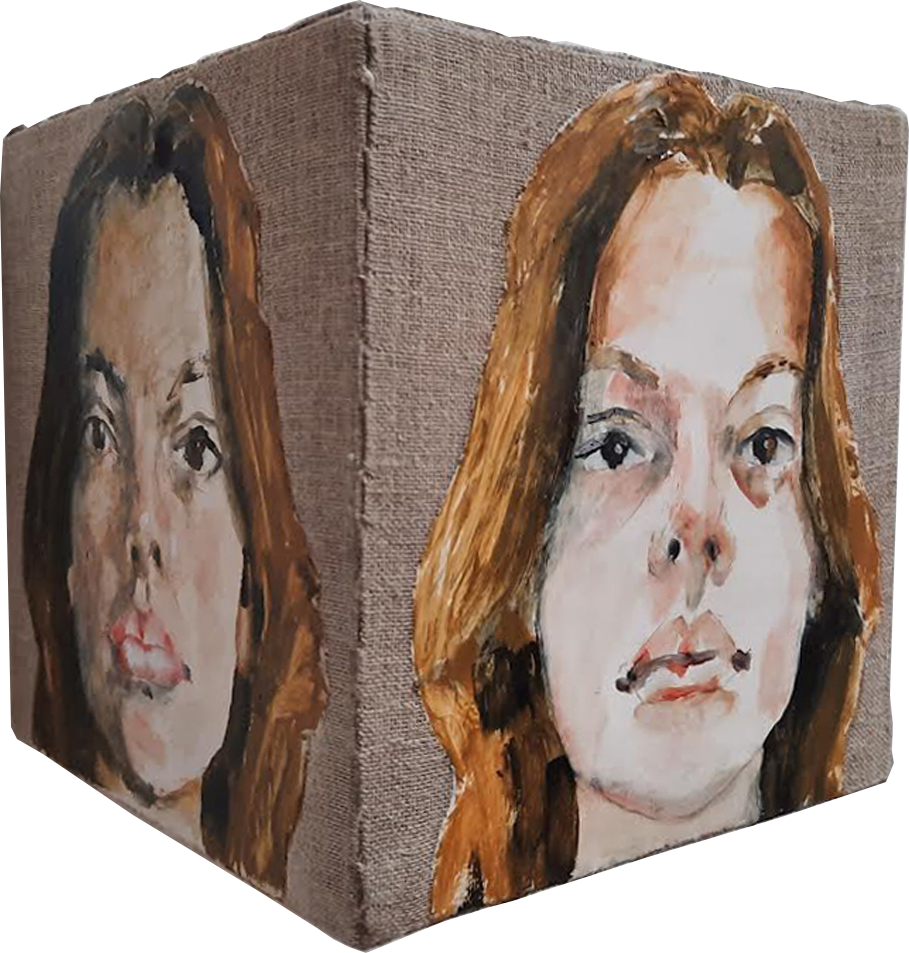
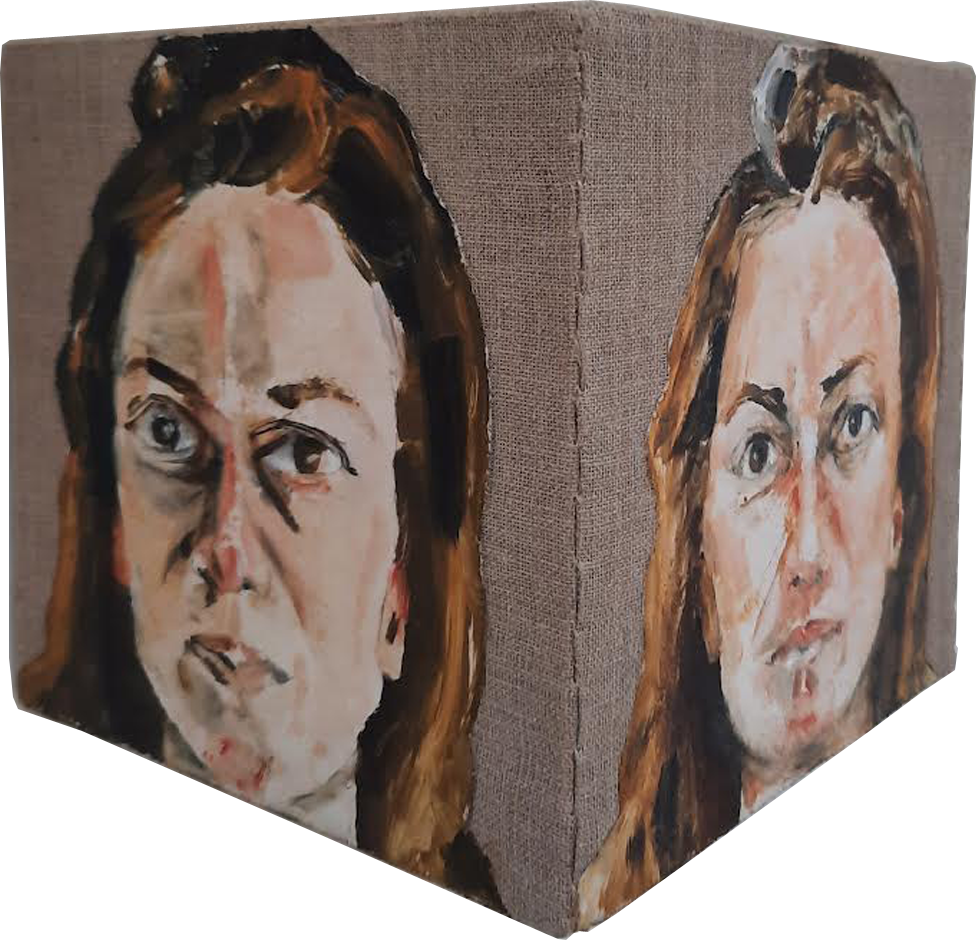
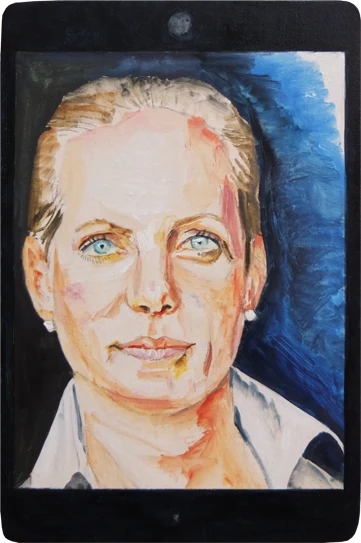
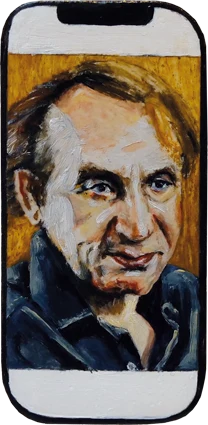
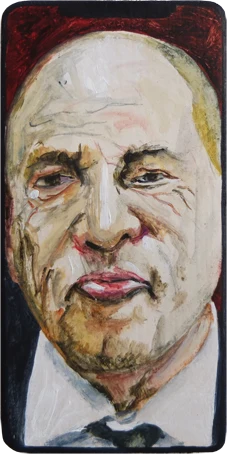
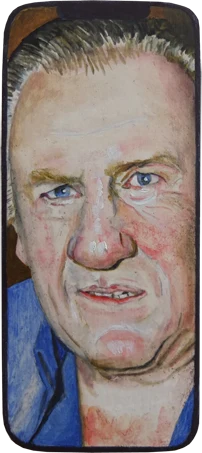
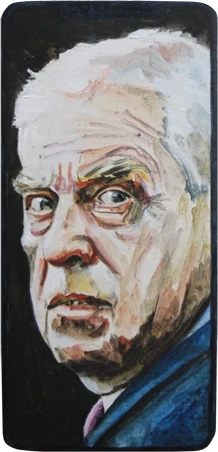
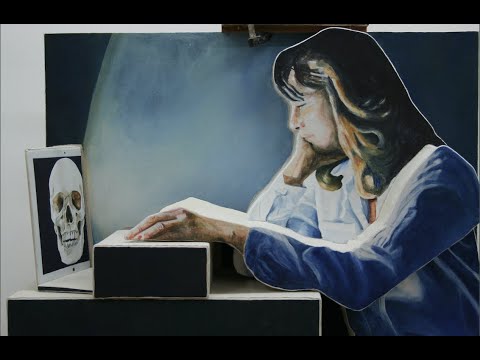
To make a life-size portrait, I had people sit for me once for 45 minutes and I had them talk. Some confessed that they had never told anyone what they had just told me. Over time, it became clear to me that some wanted more and wanted to see other aspects of themselves. I therefore found myself making several portraits of the same people, who came back to see me regularly.

Portrait à neuf facettes Portrait à neuf facettes Portrait à neuf facettes Portrait à neuf facettes Portrait Portrait Portrait en volume Portrait en volume Portrait en volume Portrait en volume

How can a portrait be represented?

My work always contains a reference to the history of art. After the so-called “psychological” portrait of the 19th century, I eventually understood it as a kind of pictorial metaphor for psychoanalysis, a psychoanalytic portrait. The recurring 45-minute session that produced a portrait each time could simply be brought together to form a faceted portrait.
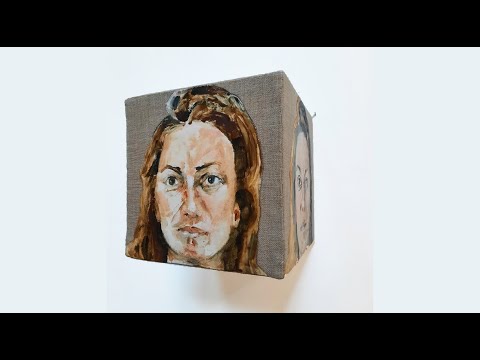
There are two forms in this body of work: an earlier form with nine facets on nine conventional stretchers, with an emblematic portrait from art history in the background; and a more recent volumetric form: a cube the size of the person’s head, with a portrait on each side, four or six in total. The canvas remains blank around the portrait.

THE CUBE

Landscapes

What is landscape today, and how can it be represented?

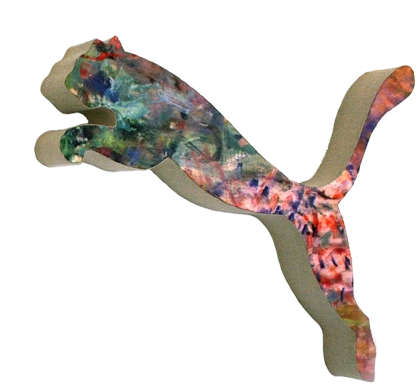
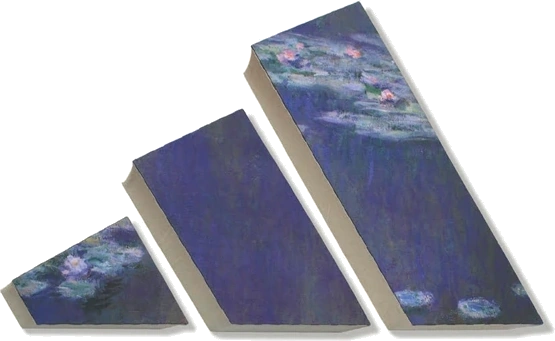
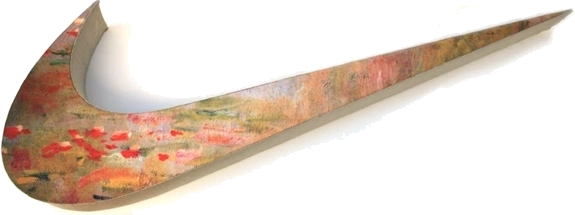
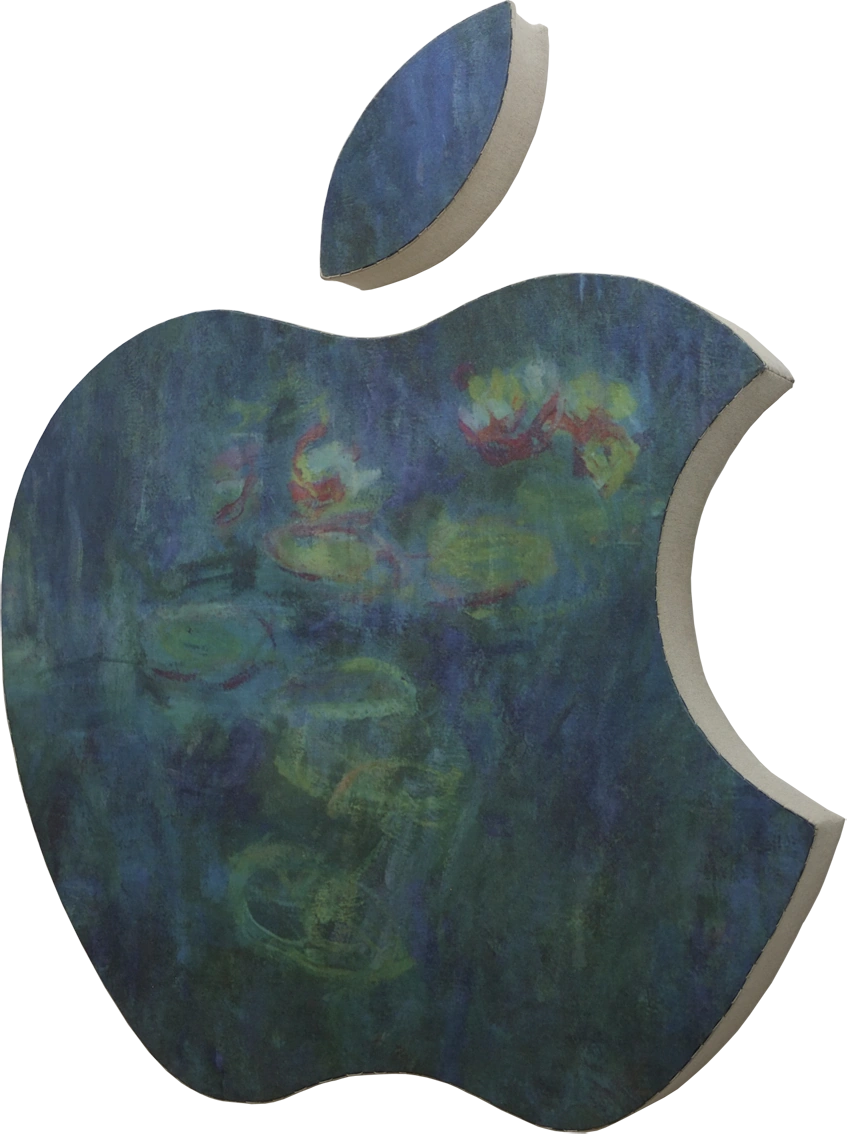
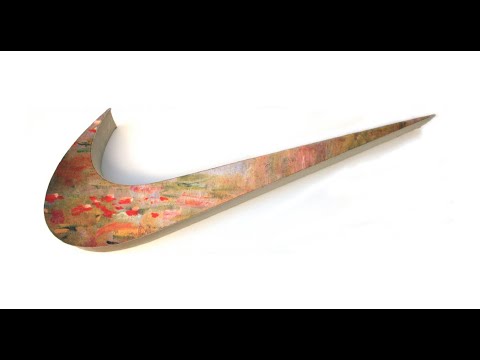
Landscape today is no longer a countryside landscape but an urban landscape. And what do we see in cities? Logos. Logos on objects in shop windows, on advertising panels, packaging, clothing, cars, buildings... So, for me, the logo is today’s landscape.

Paysage en forme de logo Paysage en forme de logo Paysage en forme de logo Paysage en forme du logo Apple

How can this landscape be represented?

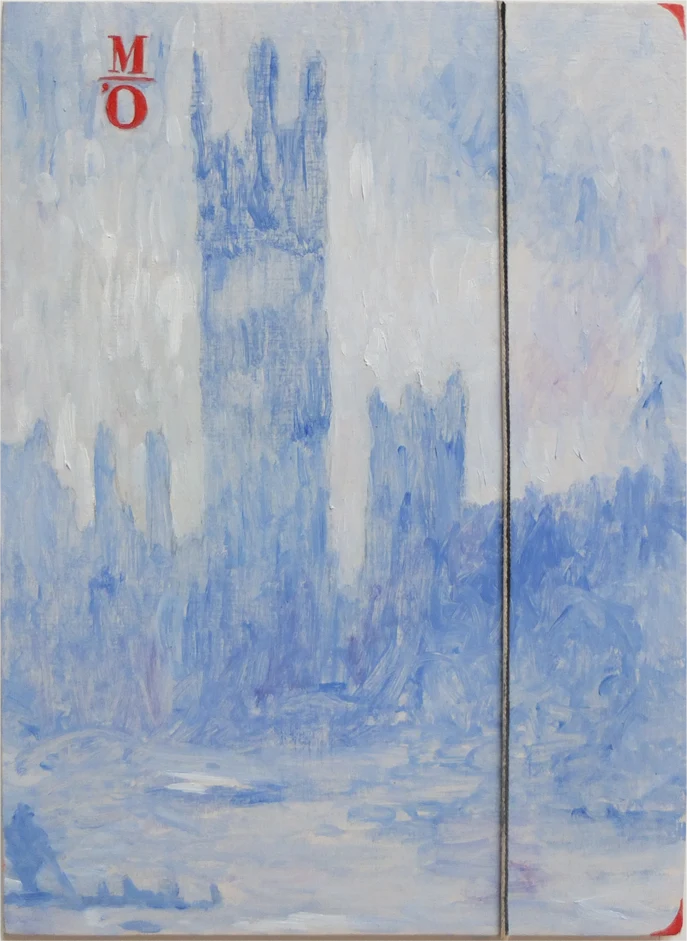
My work always contains a reference to the history of art, and in the history of art, what is emblematic of landscape is Impressionism. And within Impressionism, what has become almost a popular cliché, almost a logo of Impressionism, is Monet’s Water Lilies. I therefore chose to take paintings by Monet and adapt them to the shape of the logo.

In my work, the stretcher is adapted to the object represented, so it follows the shape of the logo. The canvas also has two statuses: painted surface and raw material. The unpainted canvas is therefore sewn around the stretcher.

THE LOGO

History Painting

What is a history scene today, and how can it be represented?

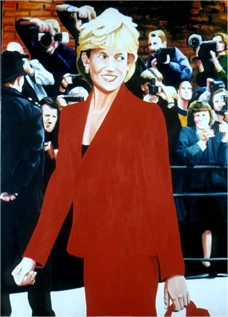
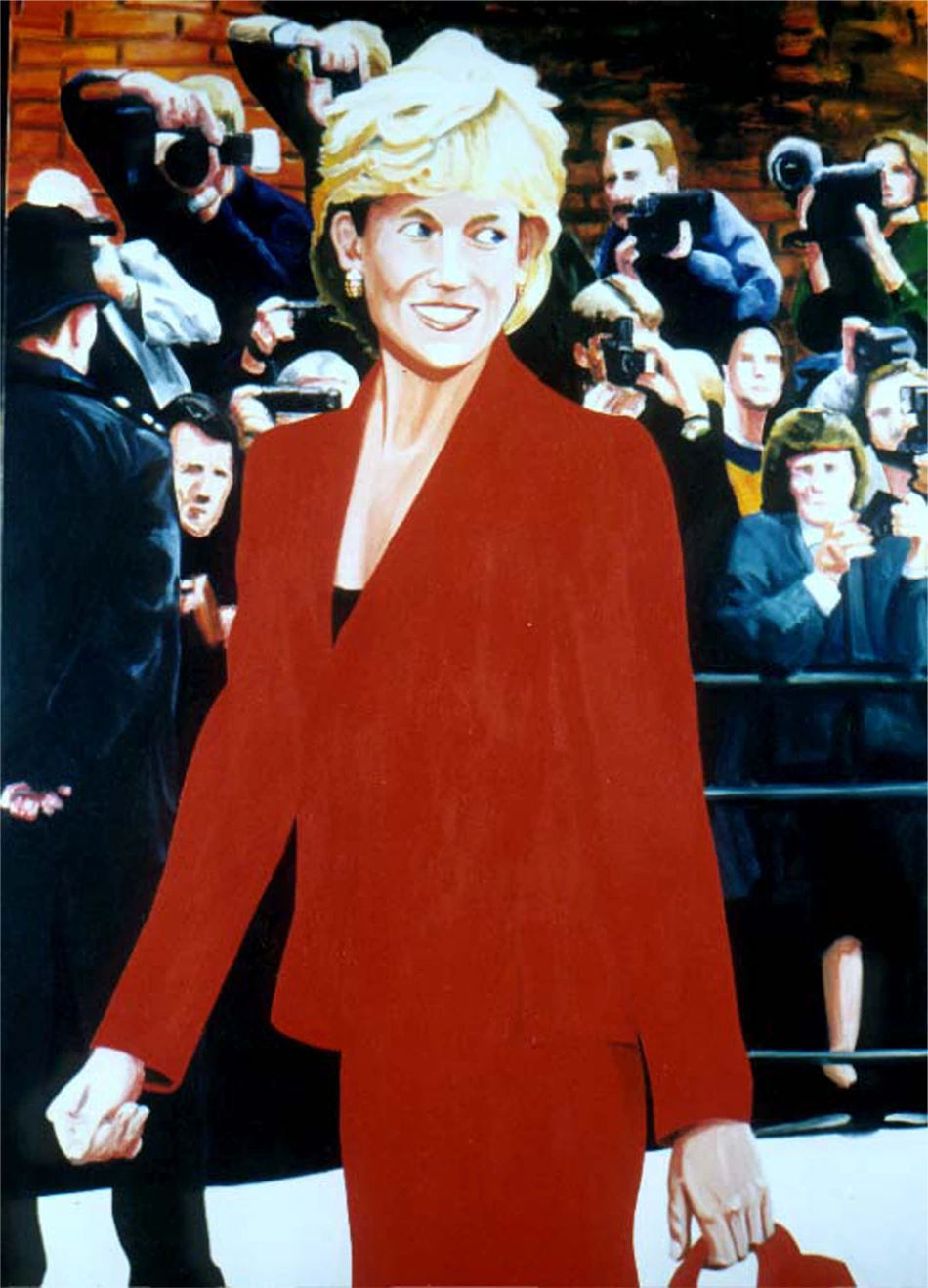
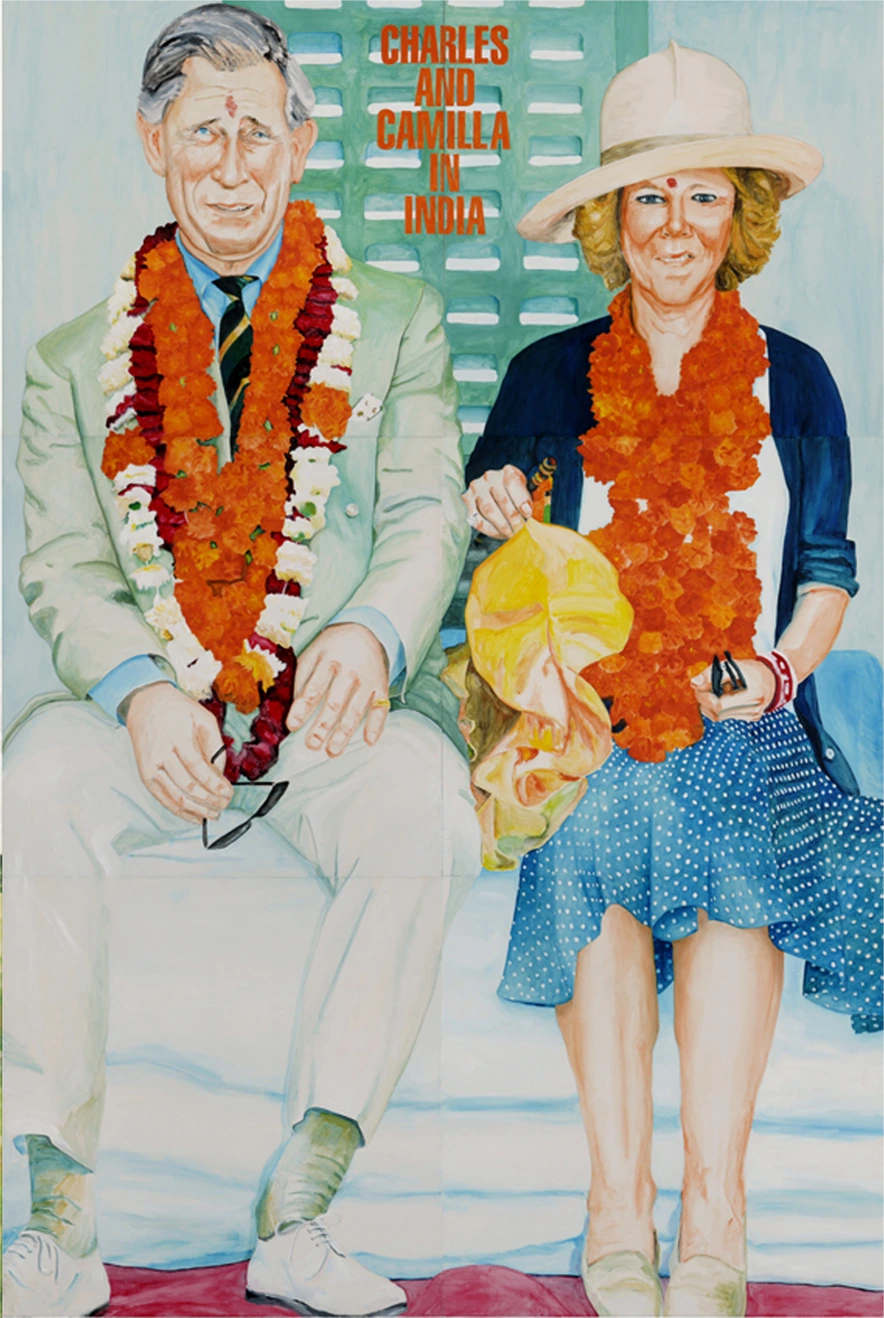
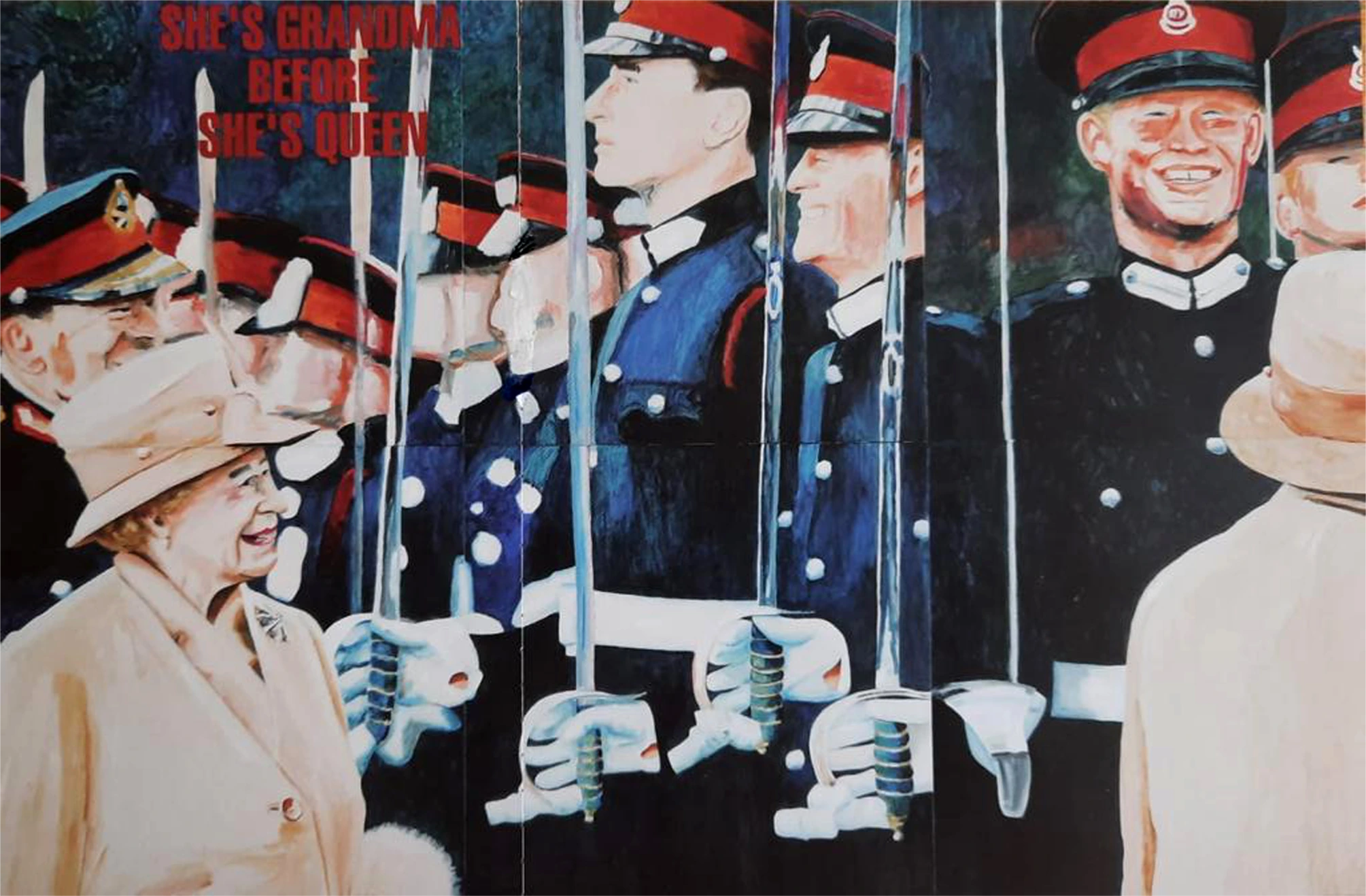
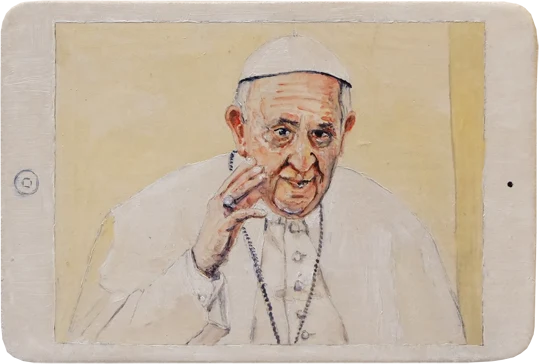
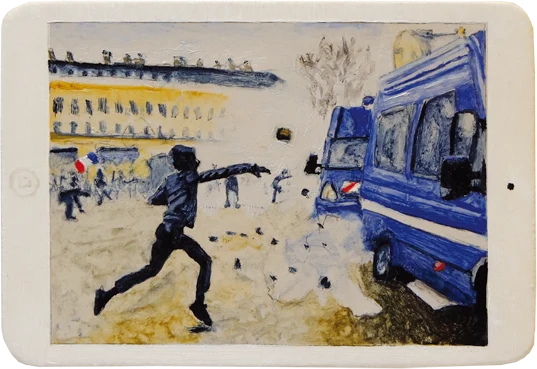
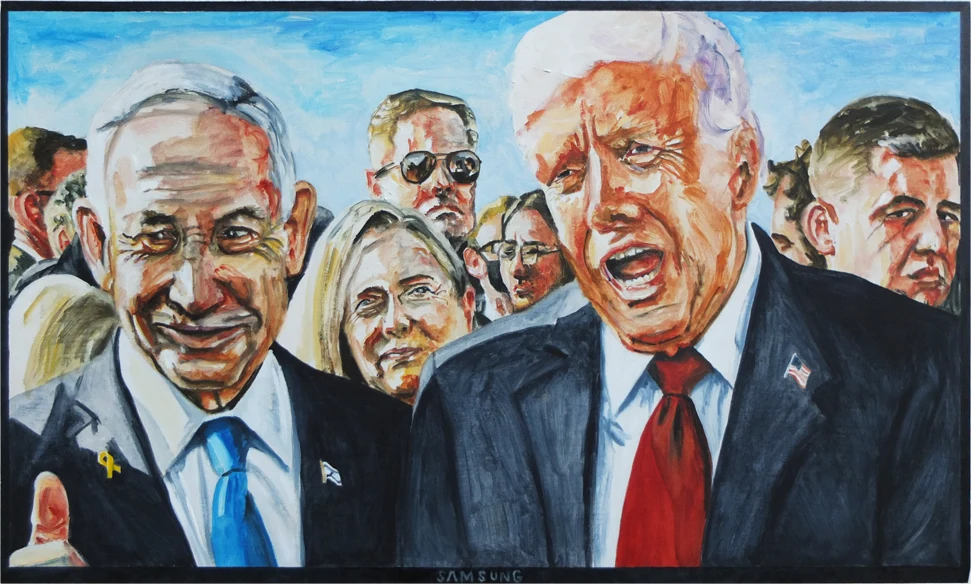
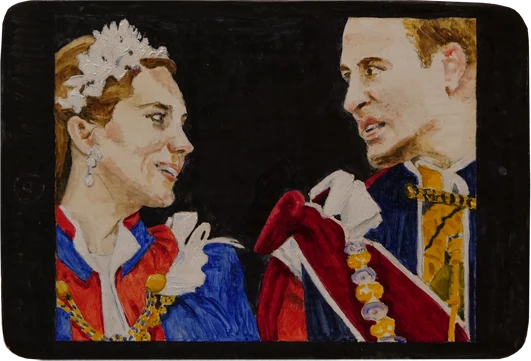
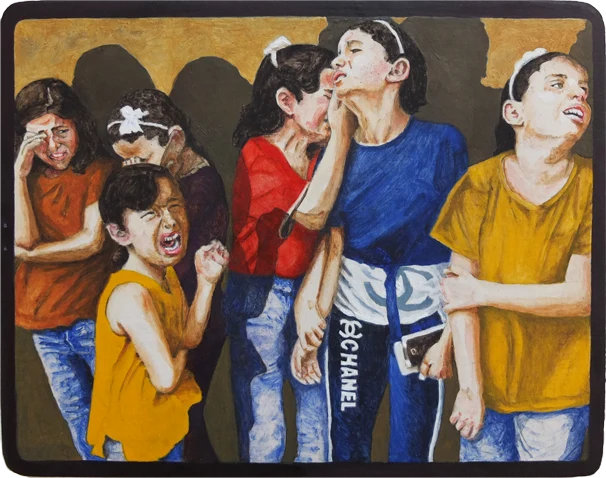
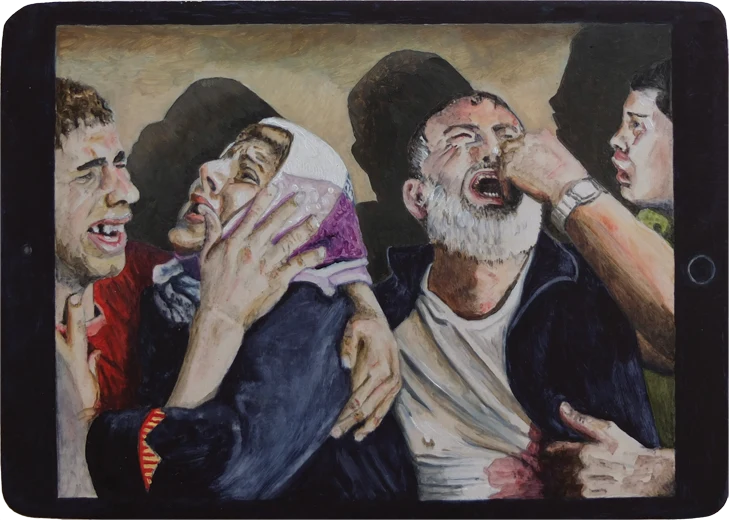
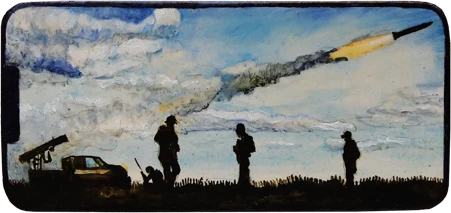
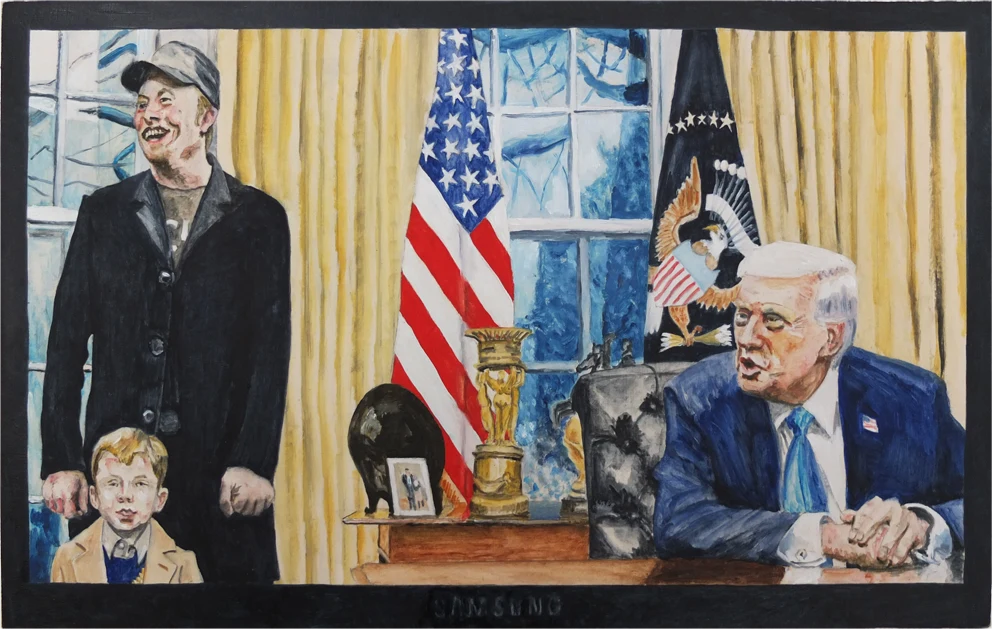
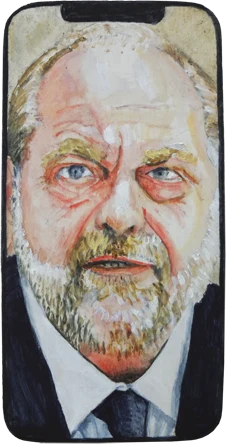
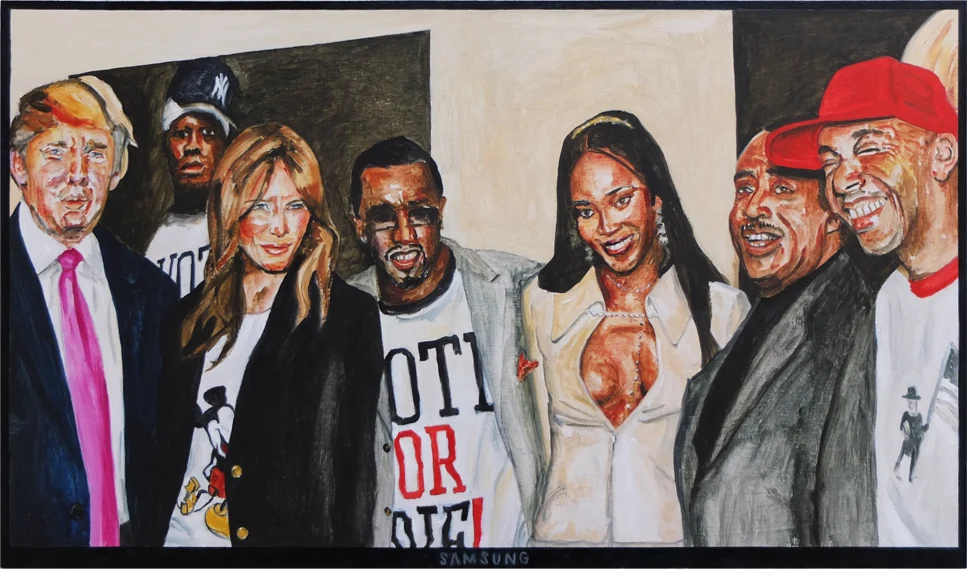
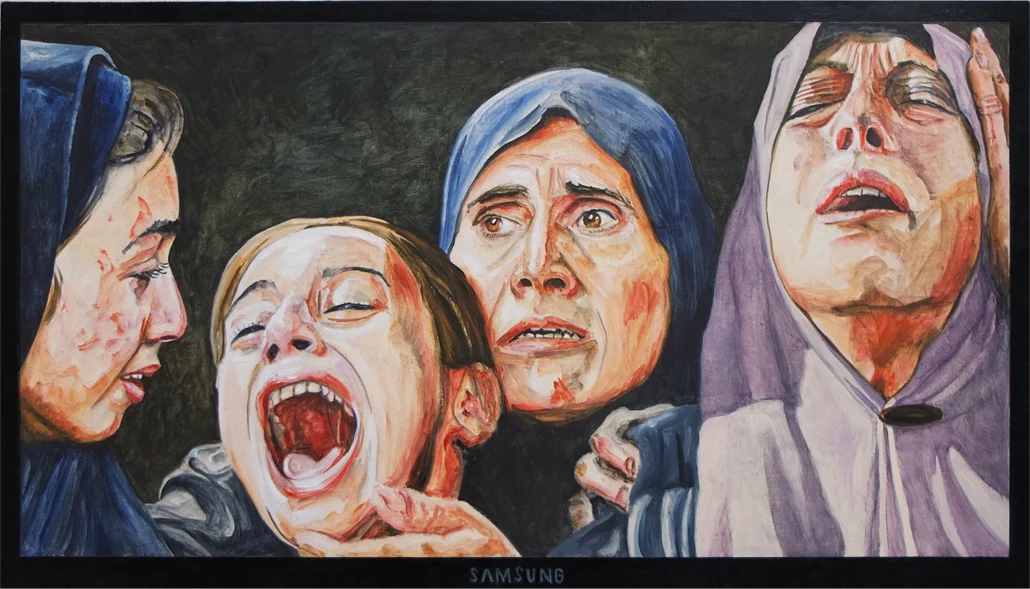
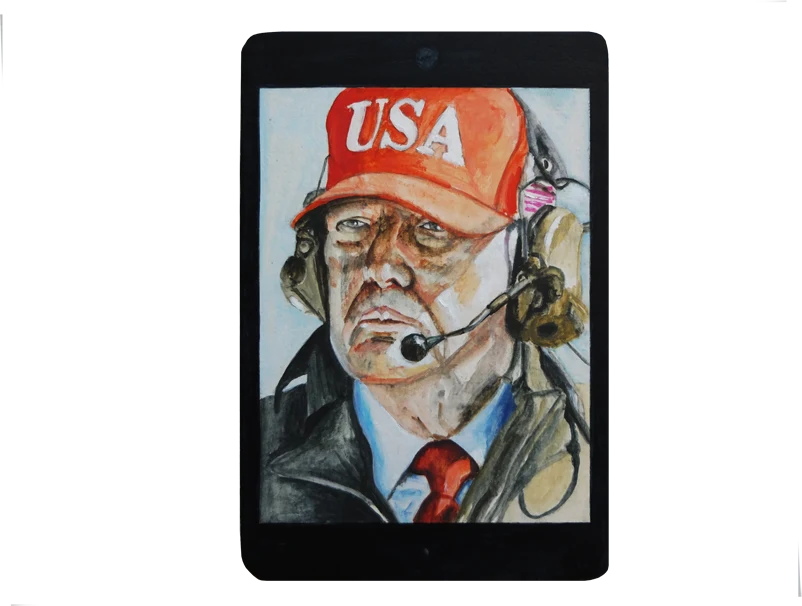
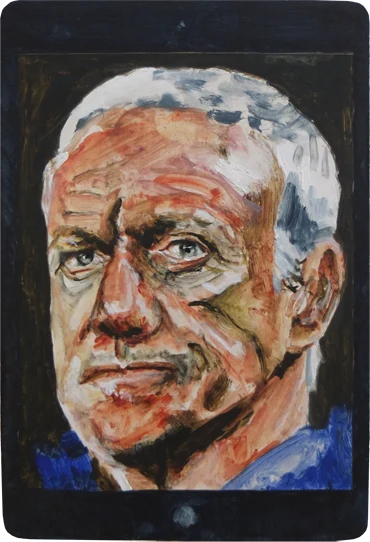
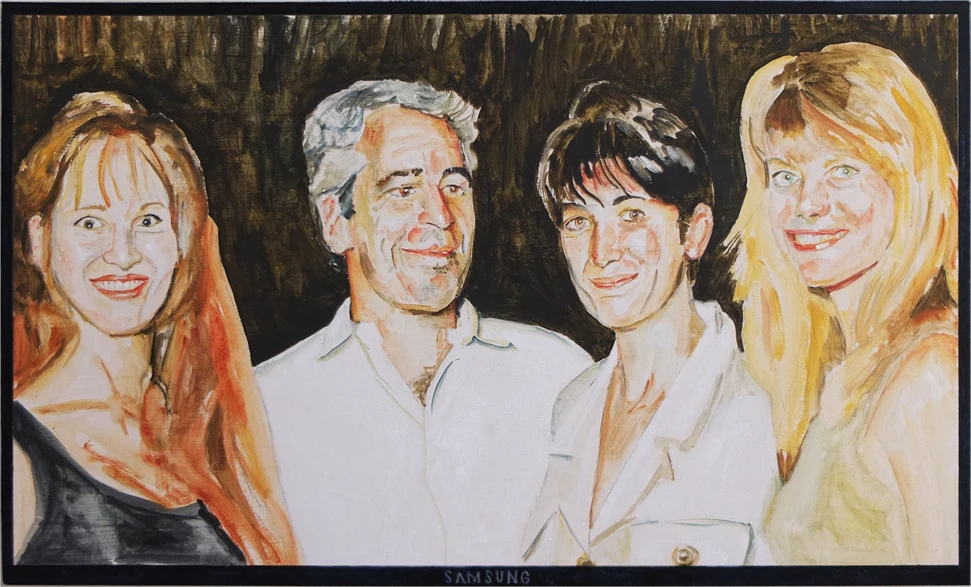
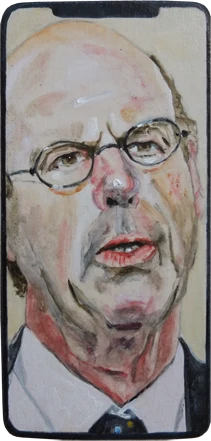
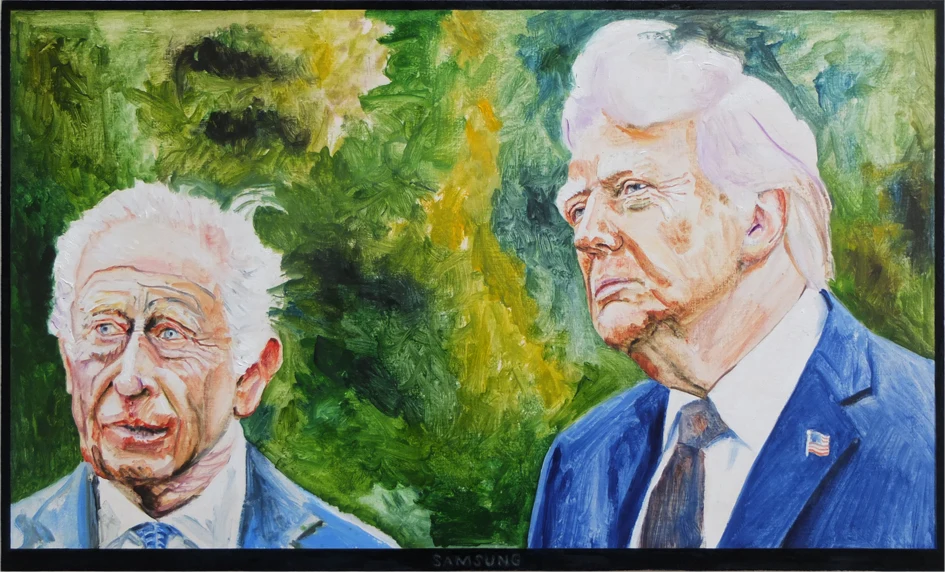
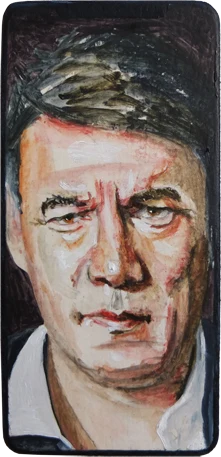
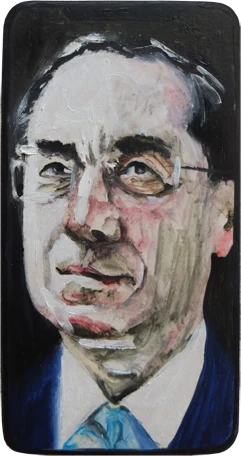
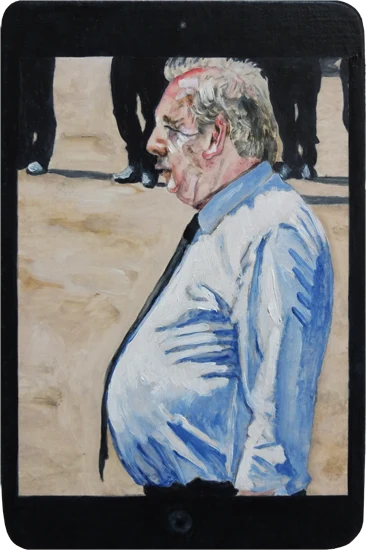
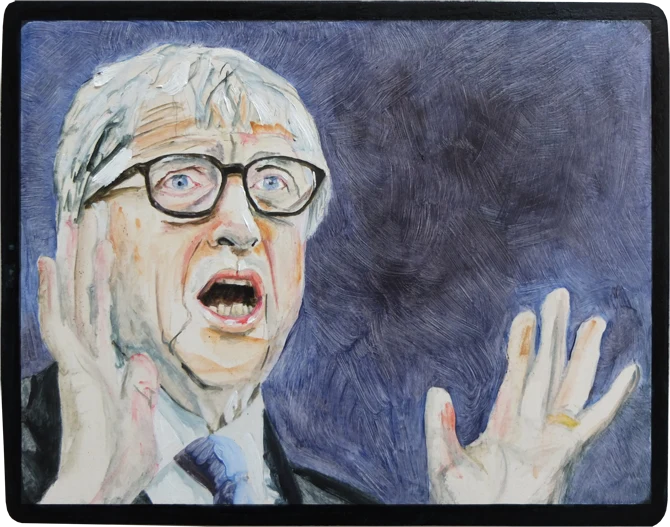
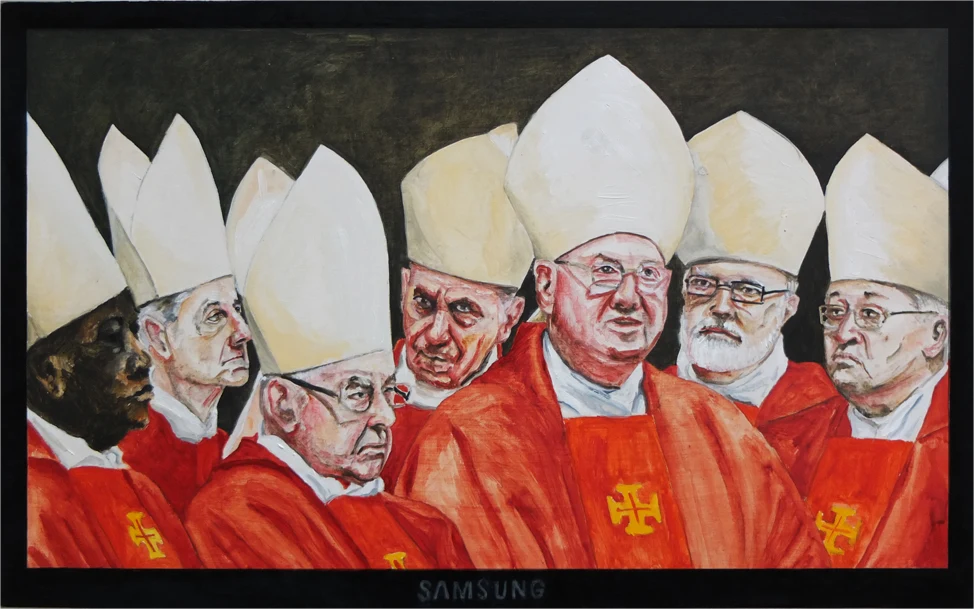
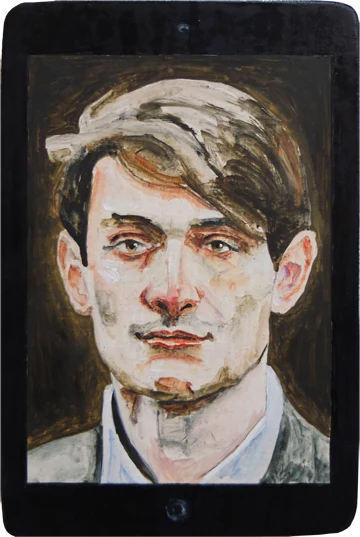
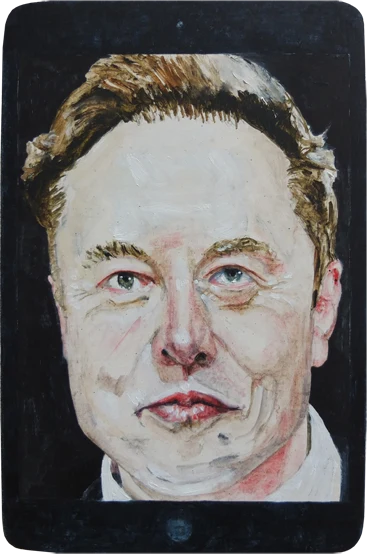
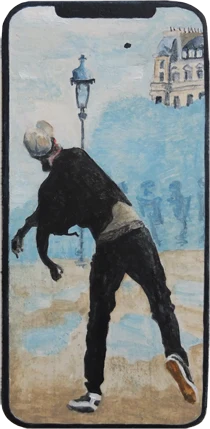
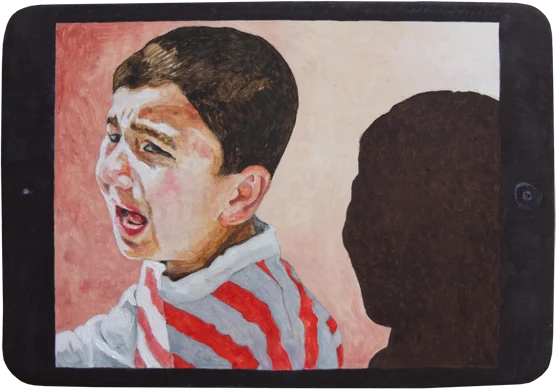
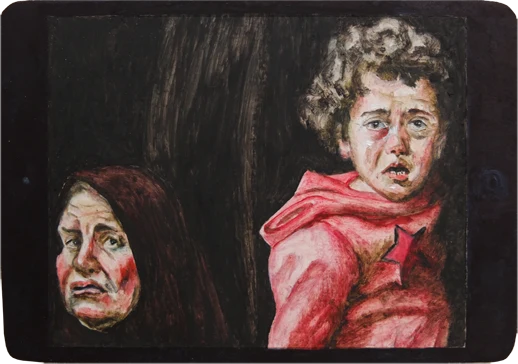
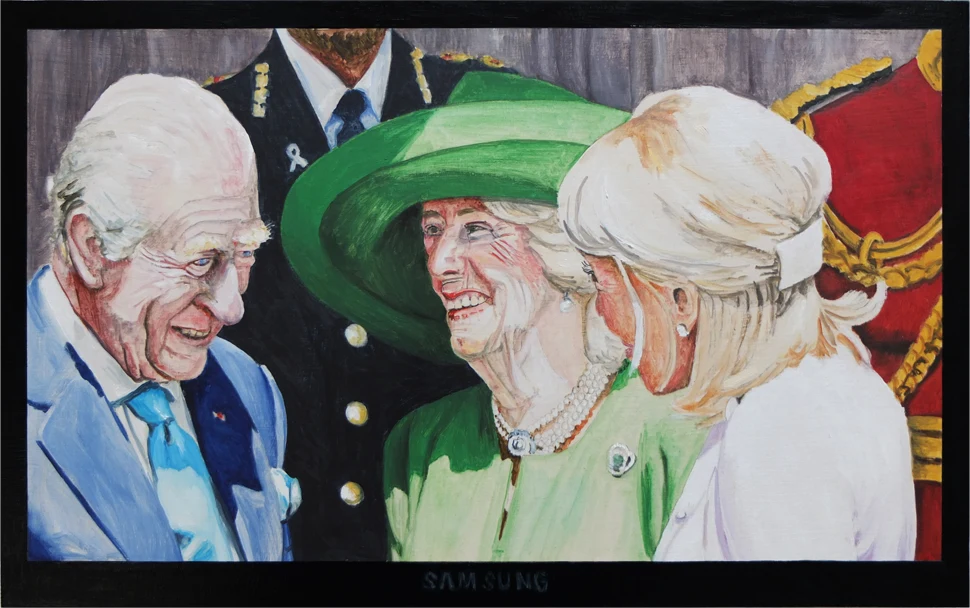
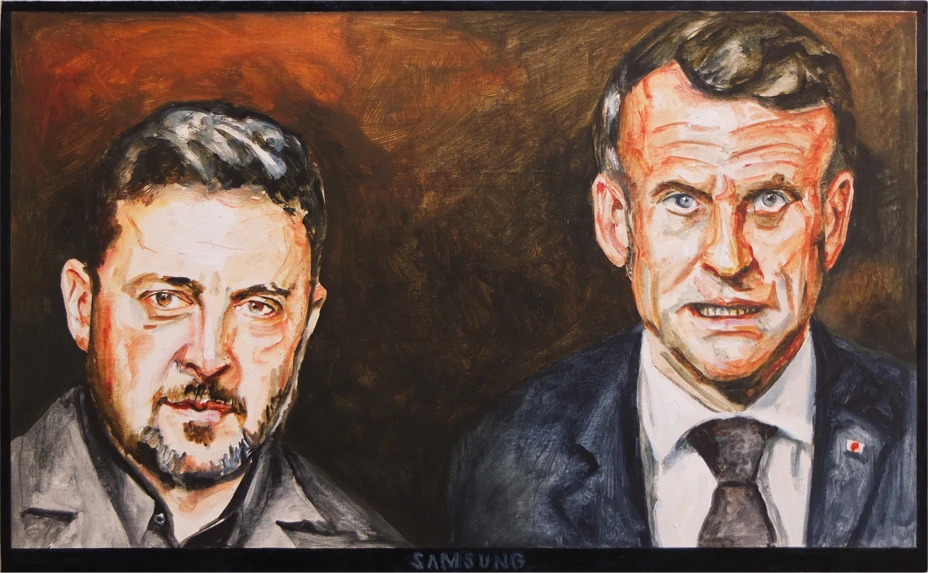
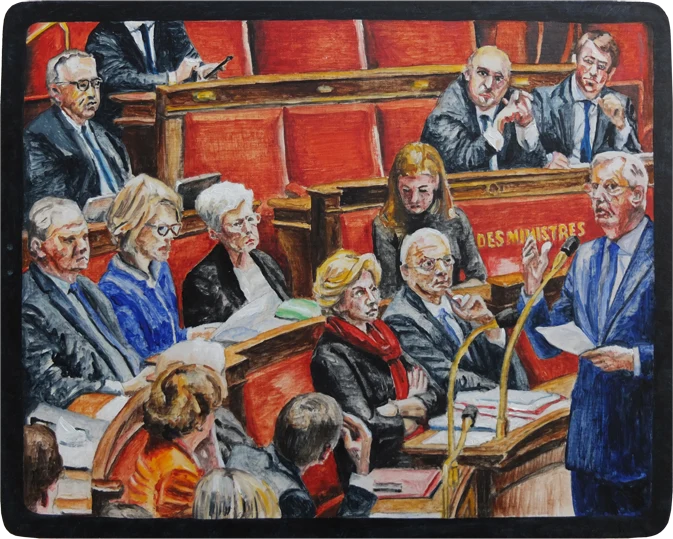
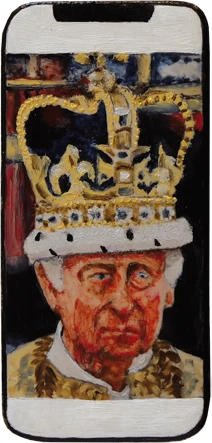
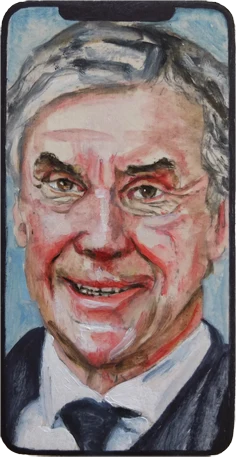
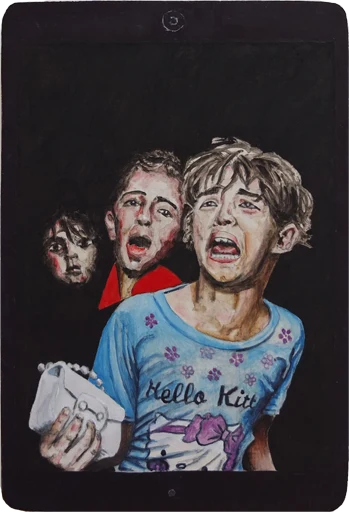
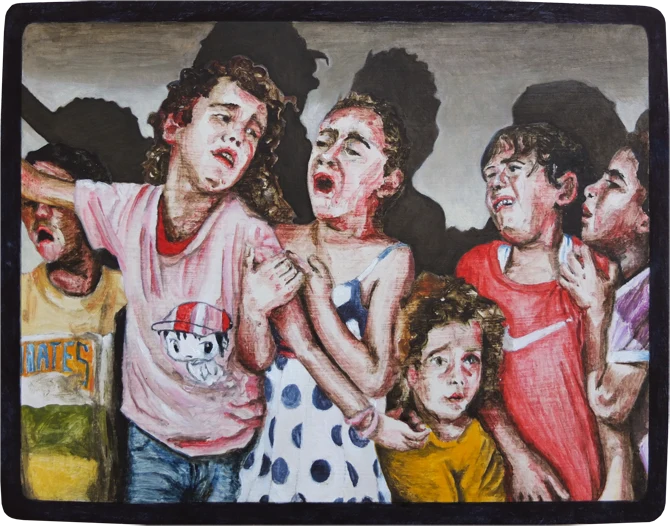
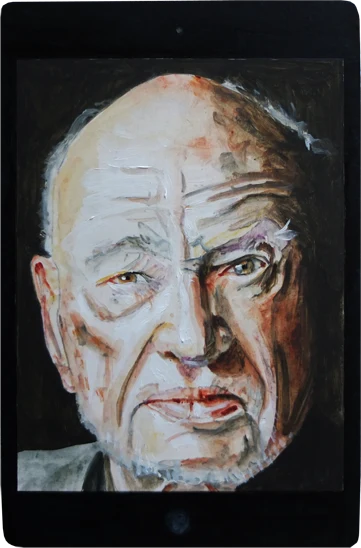
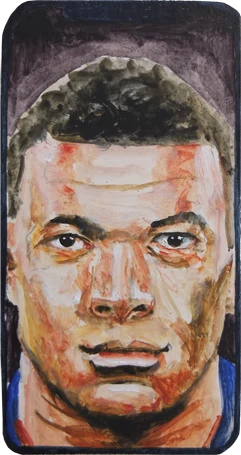
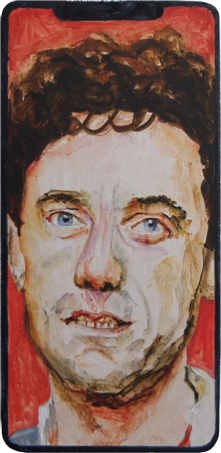
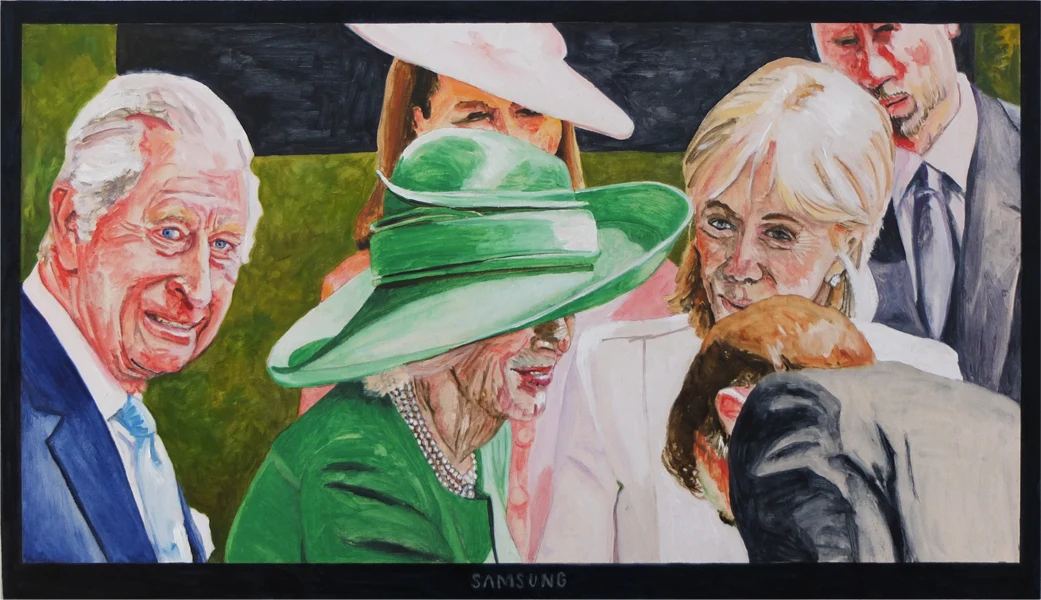
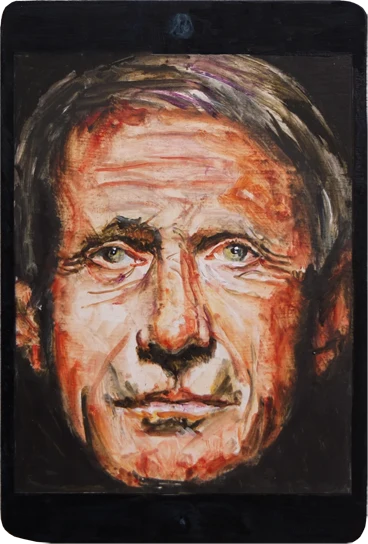
As in every period, history scenes are made up of wars, public figures, current events and political events, and international encounters.

Scène historique 1 Scène historique 2 Scène historique 3 Scène historique 4 Scène historique 5 Scène historique 6 Scène historique 7 Scène historique 8 Scène historique 9 Scène historique 10 Scène historique 11 Scène historique 13 Scène historique 14 Scène historique 15 Scène historique 16 Scène historique 17 Scène historique 18 Scène historique 19 Scène historique 20 Scène historique 21 Scène historique 22 Scène historique 23 Scène historique 24 Scène historique 25 Scène historique 26 Scène historique 27 Scène historique 28 Scène historique 29 Scène historique 30 Scène historique 31 Scène historique 32 Scène historique 33 Scène historique 34 Scène historique 35 Scène historique 36 Scène historique 37 Scène historique 38 Scène historique 39 Scène historique 40 Scène historique 41 Scène historique 42 Scène historique 43 Scène historique 44 Scène historique 45 Scène historique 46 Scène historique 47 Scène historique 48 Scène historique 49 Scène historique 50 Scène historique 51 Scène historique 52 Scène historique 53 Scène historique 54 Scène historique 55 Scène historique 56 Scène historique 57 Scène historique 58 Scène historique 59 Scène historique 60

How can this history scene be represented?

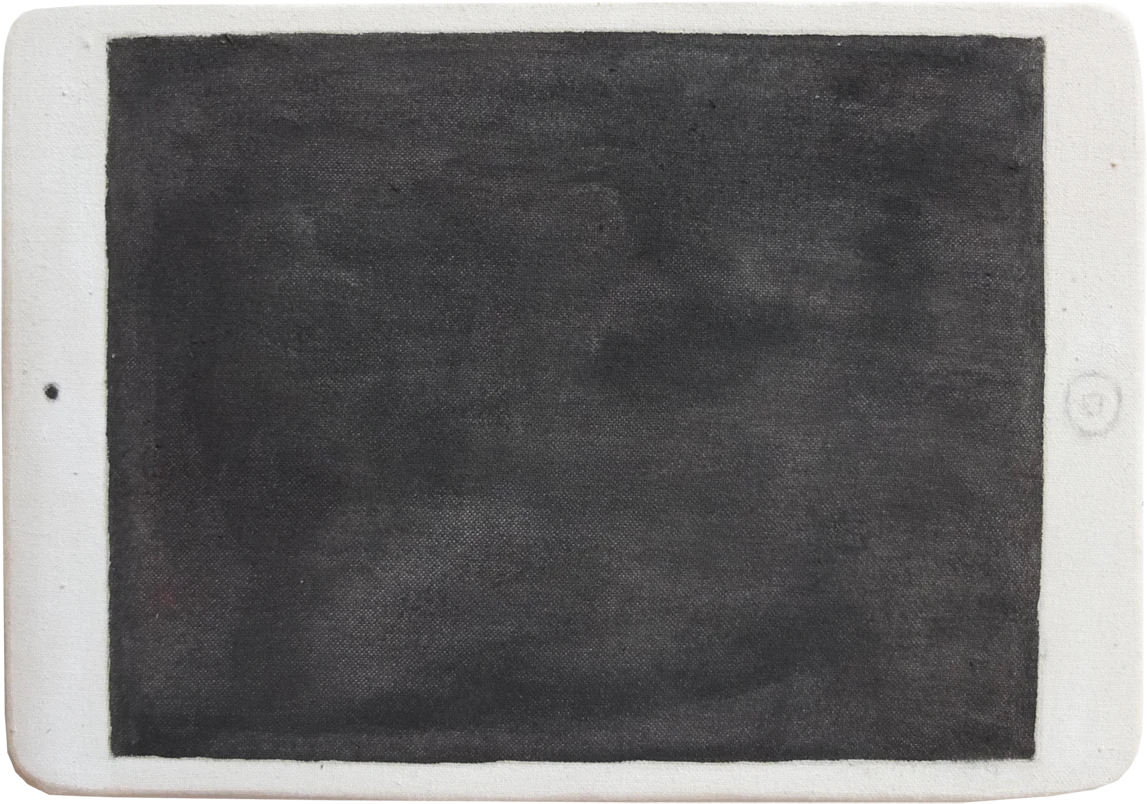
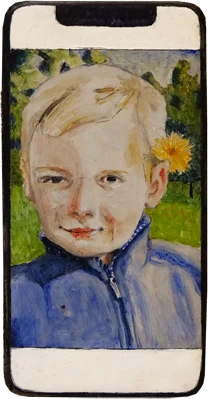
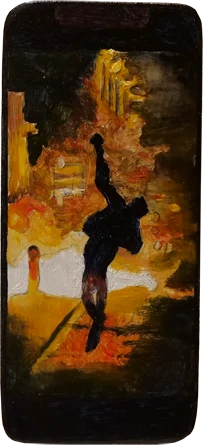
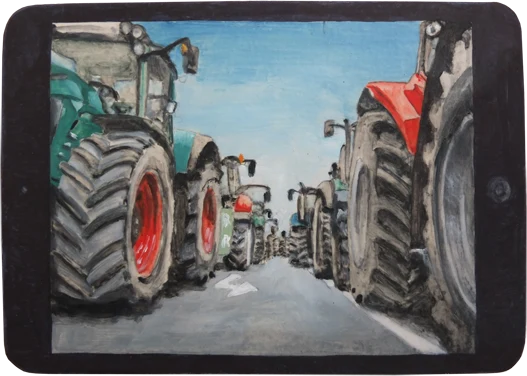
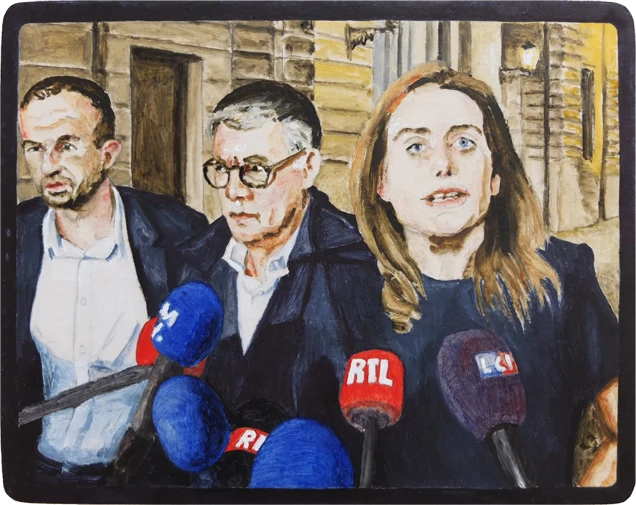
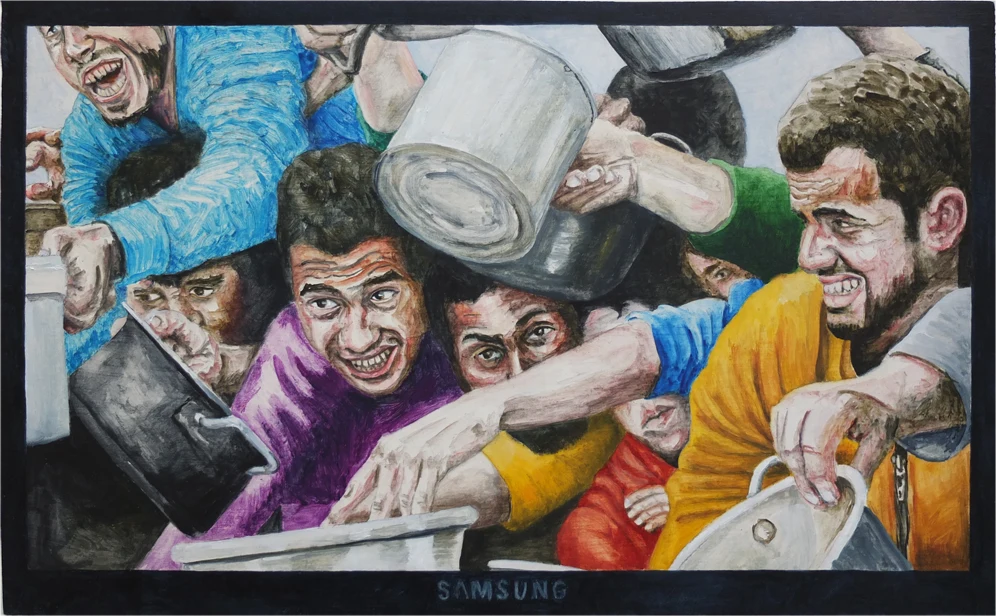
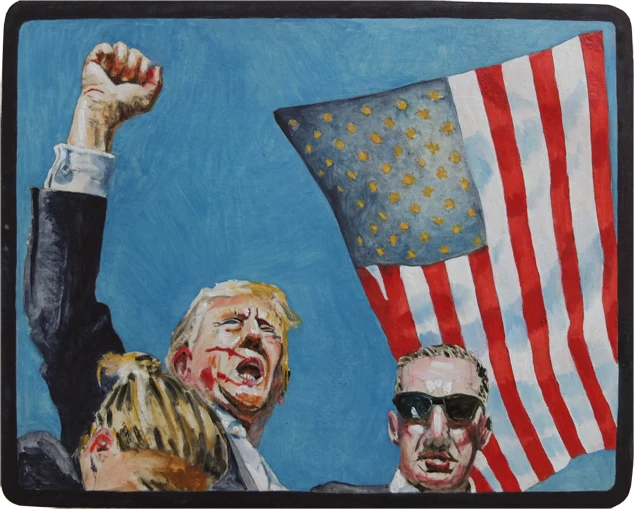
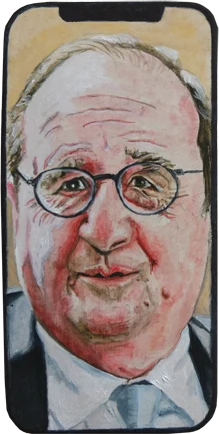
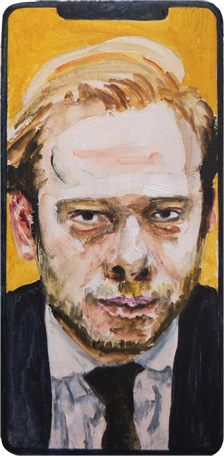
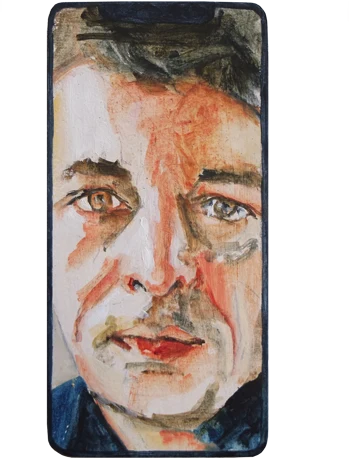
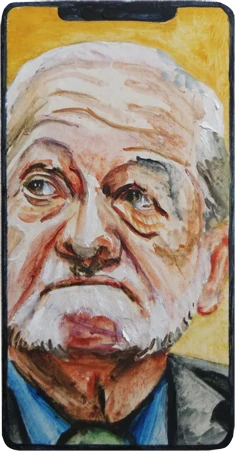
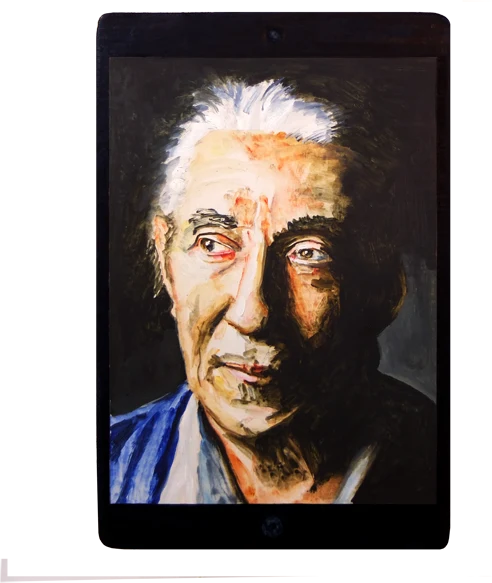
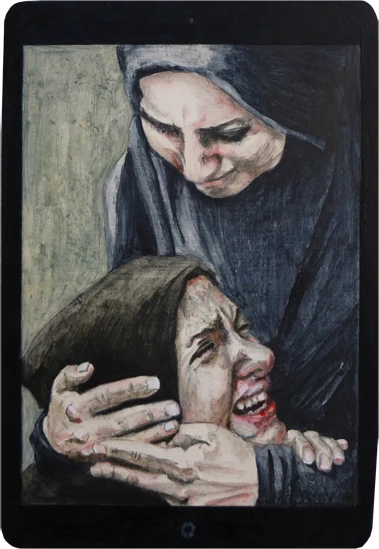
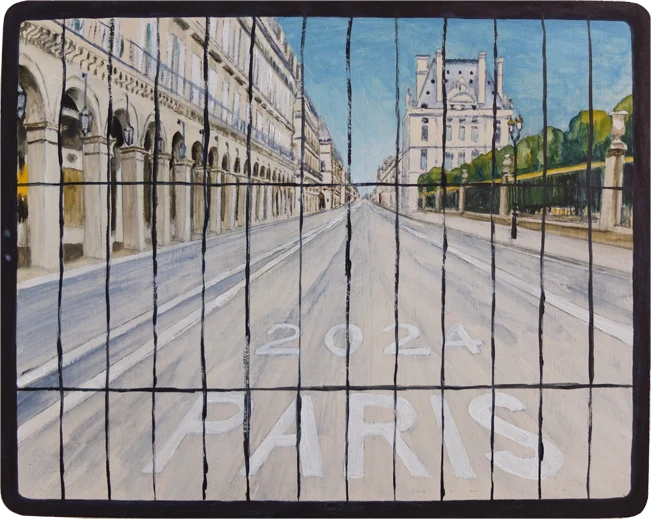
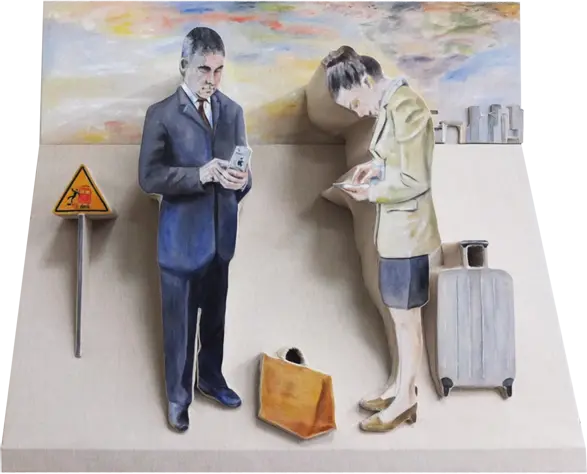
History as it unfolds is experienced today through a multitude of screens that we all use, from the iPhone and iPad to the flat-screen television.

My work always contains a reference to the history of art; here, the reference is to my own still-life work. After 40 years of research, I allowed myself this self-reference to the sources of my painting. Since screens are objects, I took up the volume and formal principles of my still lifes.
THE SCREEN

Citation

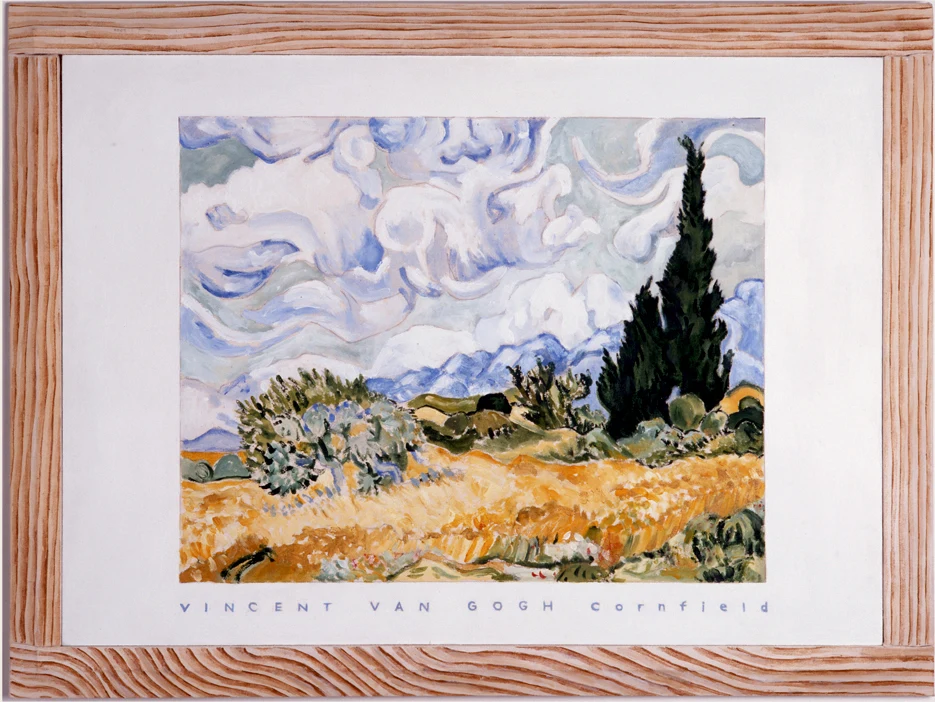
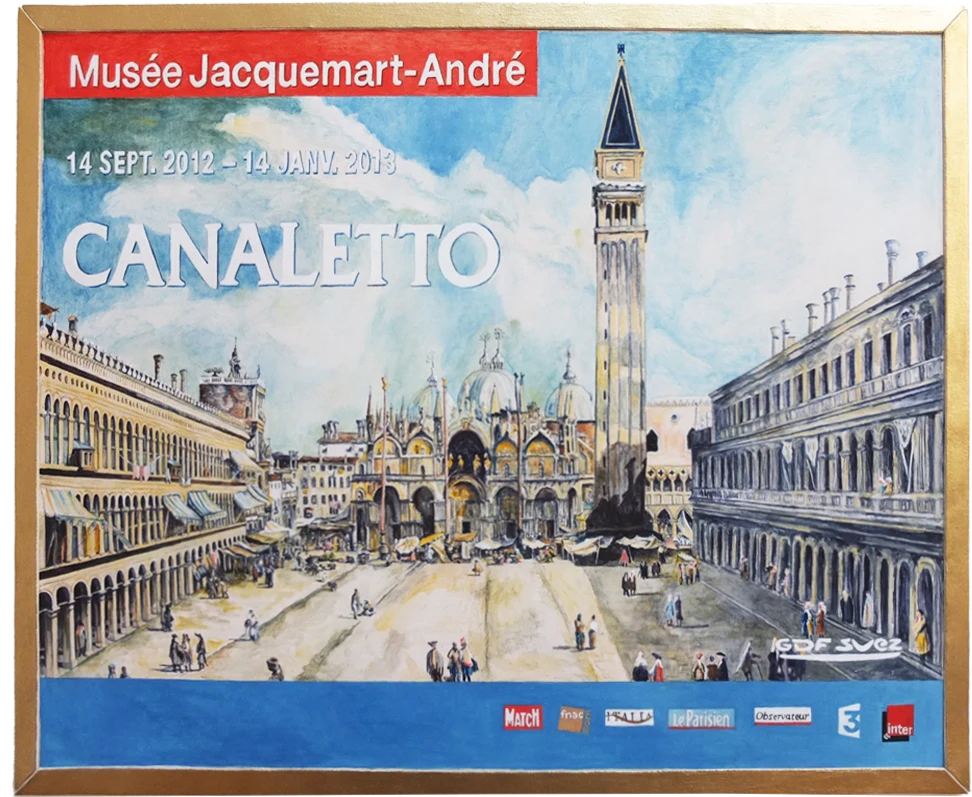
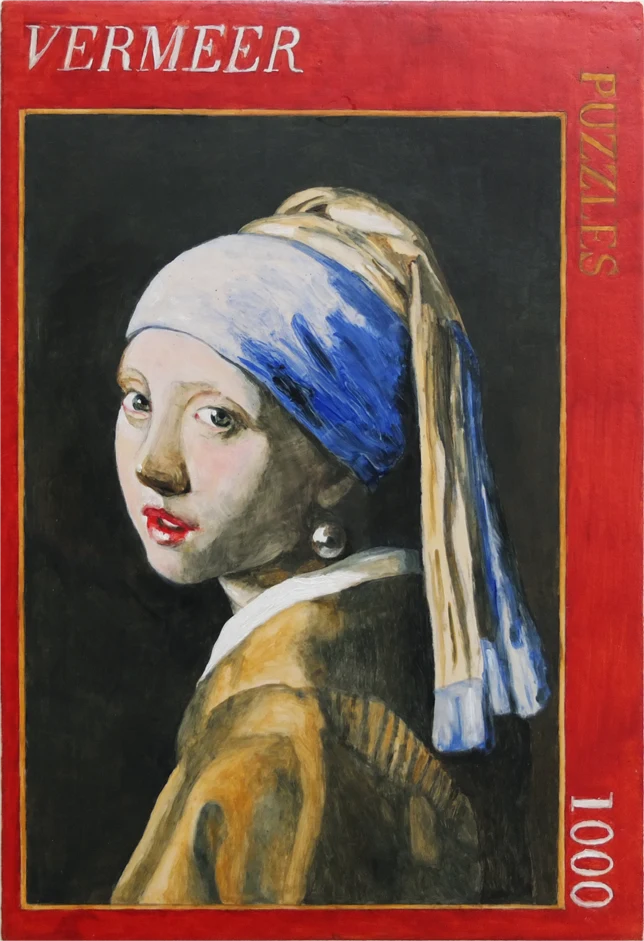
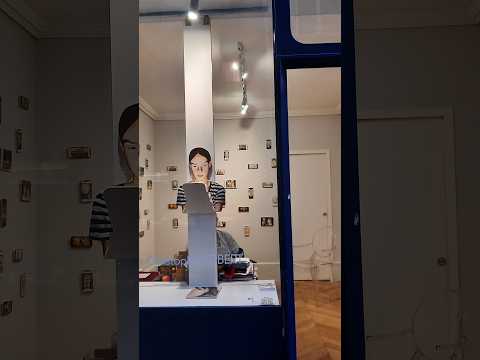
In Olympia (1863), Manet exactly repeats the reclining pose of Titian’s Venus of Urbino (1538). Picasso made 58 different versions of Velázquez’s Las Meninas (1957). With L.H.O.O.Q. (1919), Duchamp took a simple postcard of the Mona Lisa and added a moustache and goatee. Delacroix drew on painters such as Rubens and Michelangelo to compose the movements of his own figures. Over time, this has almost become a genre in itself: quotation.

Citation
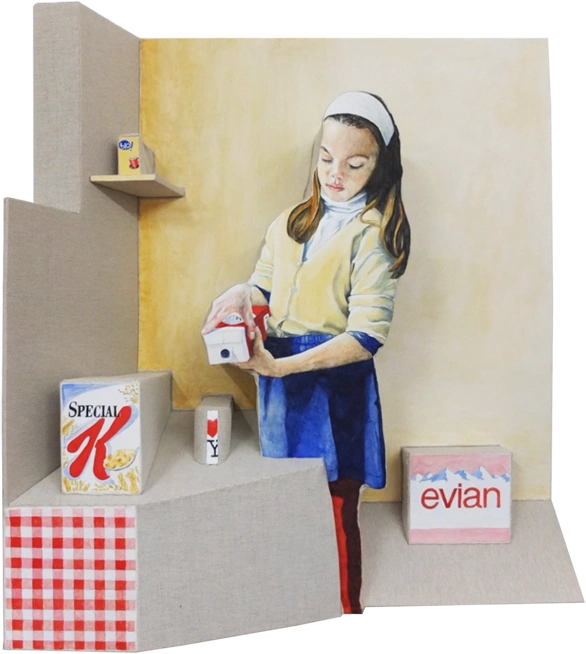
Citation — La Laitière
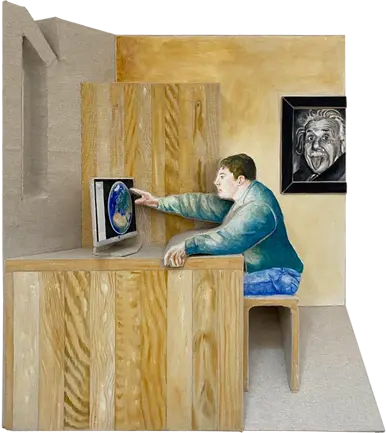
Citation — Le géographe
Citation
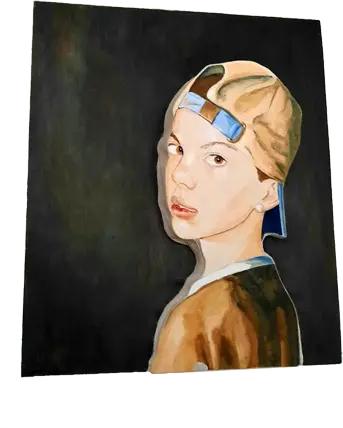
Citation — Fille à la casquette

To give this emerging genre a form, I took a famous painting, gave prominence to the stretcher and gave the canvas two statuses, which produced a volume. I also updated the scene: Vermeer’s milkmaid became Le Petit Déjeuner (which contains quotations from my still lifes). It quickly seemed obvious that I should use oil paint to quote works themselves painted in oil; I had not used it for more than 30 years.

THE MASTERPIECE

Encounters

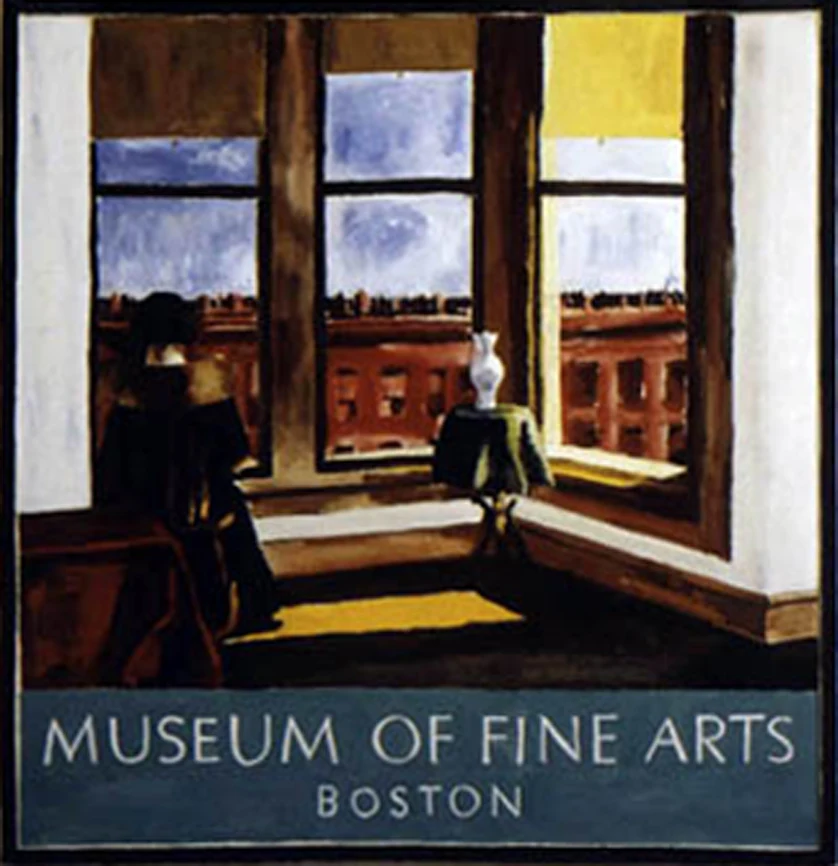
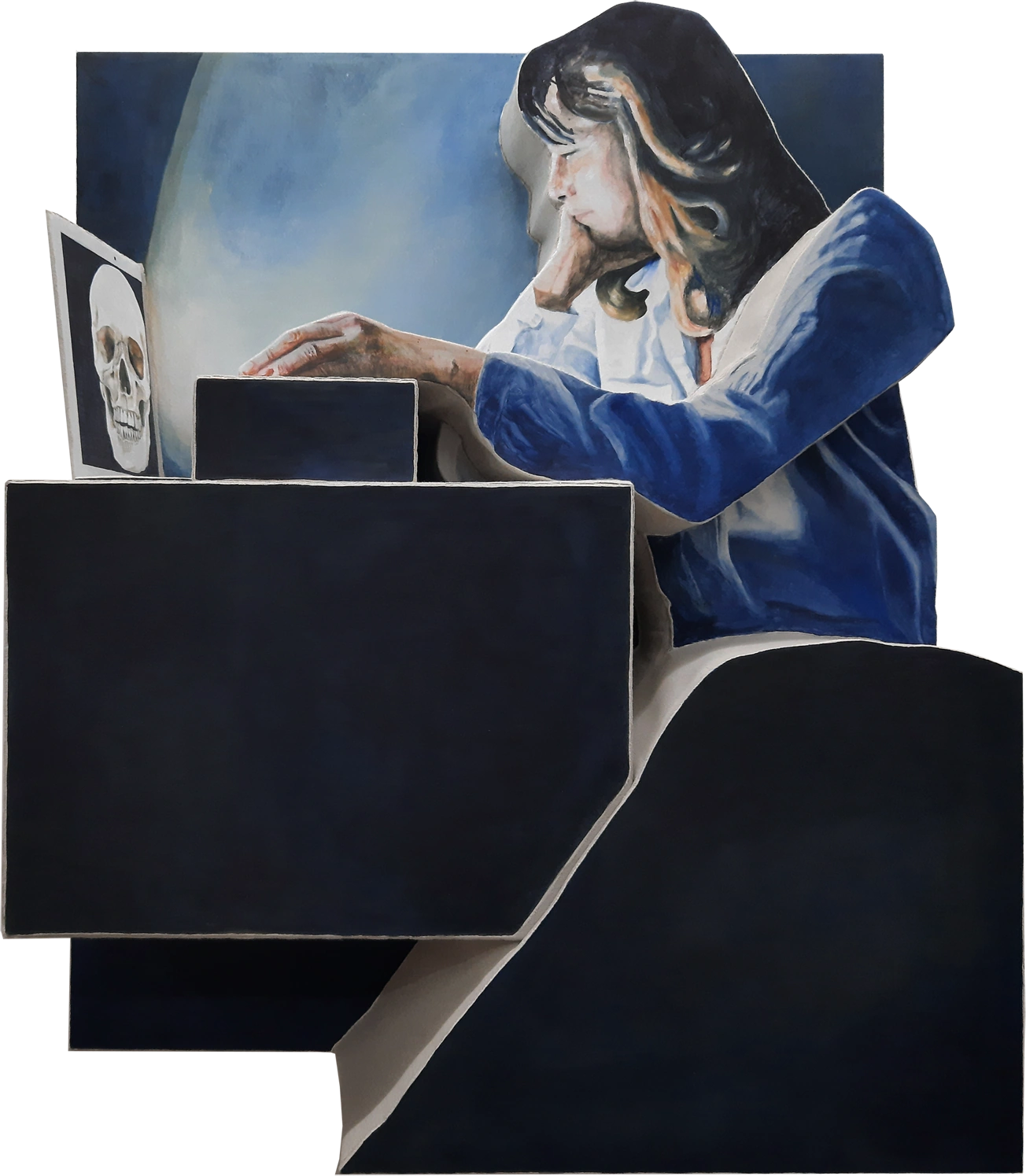
Since recently, in the summer of 2026, I have been bringing two works from the history of painting into relation in order to construct a new painting. The aim is neither to juxtapose nor reproduce these works, but to explore what can happen when they enter into relation: an element may be added to a work, a space may open onto another, an image may transform until it reveals a structure that was already present within it. Each painting thus becomes a singular encounter between two works, two moments and two ways of seeing, giving rise to an autonomous image.

Recent painting bringing Hopper and Vermeer into relation

This time, I use a conventional stretcher because these are works that happen to have been made on this type of support.

Documentation

Read.
Watch.
Return to the work.

The documents are not an appendix to the work. They offer another way into it: catalogues, texts, interviews, films and the book.

Catalogue Raisonné
Book

Continuer !

A research project into the conditions of possibility of painting after deconstruction.

The full text of Book I is available to read online. The complete PDF is also available here.